
Ofgem energy price cap: 5 expert tips to beat the new UK cap increase in April 2025 from a money-saving pro

Energy bills are set to rise again in April - what it means for your wallet and how to save 💸
- Energy bills will rise again from April 1 as Ofgem increases the price cap for the third quarter in a row
- The 6.4% increase will raise the average annual bill for households in England, Scotland, and Wales to £1,849
- Households will see an extra £111 added to their annual bills, or about £9.25 per month, over the three-month period
- The rise marks a 9.4% increase compared to the same time last year but is still lower than the peak of the energy crisis in early 2023
- Experts warn of ongoing financial strain, with many households already in debt to their energy suppliers
Starting from April 1, millions of households will face another rise in their energy bills as Ofgem increases its price cap for the third quarter in a row.
The 6.4% hike, driven by a recent surge in wholesale prices, will push the average annual bill for households in England, Scotland, and Wales on a standard variable tariff from £1,738 to £1,849.
This increase will add £111 to the average household's yearly bill, or roughly £9.25 a month over the next three months.
Although this marks a 9.4% (£159) rise compared to the same time last year, it remains £531 (22%) lower than the peak of the energy crisis in early 2023.
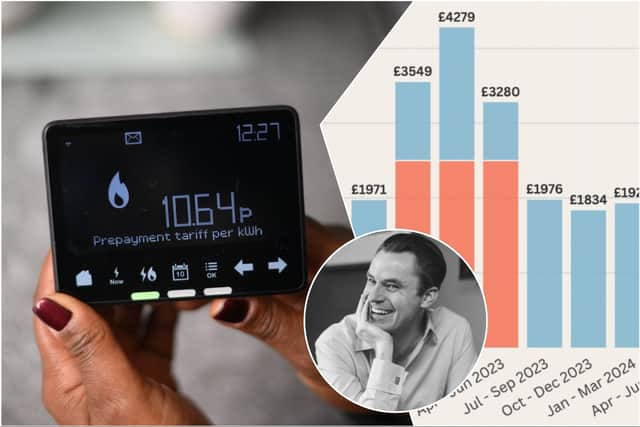

Greg Marsh, CEO and co-founder of AI household money-saver Nous.co, says: “The third energy price hike in a row is a serious blow to households.
“A typical household will be paying more than £500 a year more than they were pre-Covid, and record numbers are in debt to their energy supplier.
“Ofgem and the Government need to do far more to encourage proper competition so that ordinary people can make decent savings by switching.”
Thankfully, Marsh has shared five energy-saving tips to keep the costs down...
Take a meter reading before March 31
“Ofgem’s energy price cap is increasing on 1 April. If you don’t have a smart meter, make sure you take a manual reading on or just before 31 March, so your supplier doesn’t charge you for any extra energy under the new higher rates.”
Make sure your smart meter isn’t in ‘dumb mode’
“Nearly 4 million smart meters in Britain aren’t working, meaning people are being charged based on estimated usage.
“This can lead to overpaying by hundreds. If readings on your bill are marked ‘e’, they’re estimates and could be wrong. You should submit regular manual readings if this is happening.”
Review your credit balance
“If you pay your energy bills by direct debit, you should build up some credit over the summer and use this up over winter when your needs are higher.
“If you’ve got significant credit right now, your monthly payment is set too high and you should ask for a refund from your supplier.”
Don’t ditch your direct debit
“If you discover your direct debit is too low or too high, don’t ditch it entirely – it’s the cheapest method of paying for energy. Customers who pay by standard credit currently pay around £100 per year more than direct debit customers.”
Save more than £100 without committing to a fix
“Most households are out of contract right now and can save by switching providers with Nous.co.
“The majority can save the better part of £150 on their energy bills, without having to commit to a fixed deal. That means they’ll still benefit if the price cap comes down in the summer as predicted.”
What do you think about the latest energy price cap increase? How will it impact your household budget? Drop your thoughts, experiences, and any tips you have for managing rising bills in the comments section.