


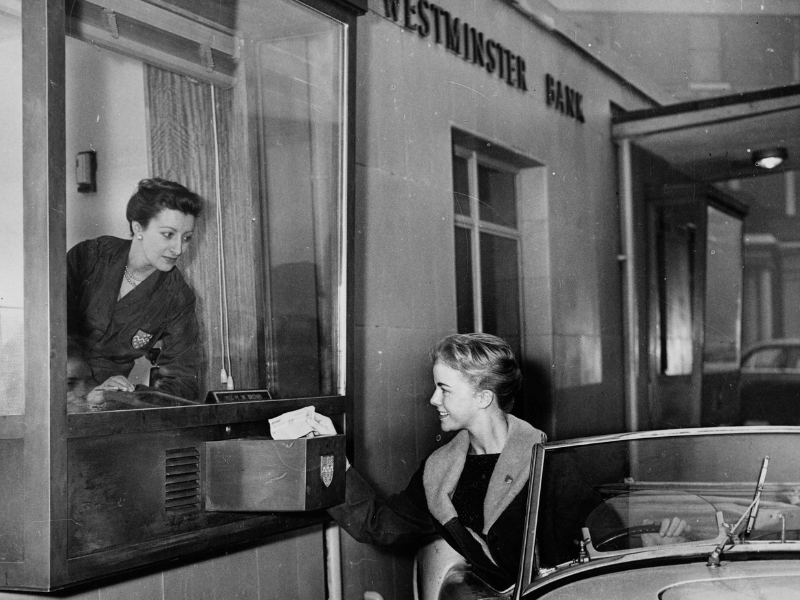
Liverpool saw major change in the 1950s, including welcoming Britain’s first ever drive-in bank, in Toxteth, and new offices and shops being built after the devastation of the Second World War.
Though the aftermath of the war weighed heavy on the city and its people, it was a decade of transformation, with slum clearance programs making way for new housing and businesses returning to pre-war profits.
People were able to enjoy many foods that had previously been subject to rationing, such as sugar, confectionery, meat and bread, and Liverpool once again hosted world-famous events like the Grand National and the British Grand Prix.
Televisions became staples in many households, and families across the city watched Queen Elizabeth II’s coronation from the comfort of their living rooms.
It wasn’t all positive change for Liverpool though, with the Overhead Railway and its fourteen stations closed and demolished in 1956 and the city’s tram network ceasing to exist a year later.
We have put together a collection of photos showcasing what life was like in the 1950s and what the city looked like back then...
21. Liverpool life in the 1950s
18-year-old Sylvia Underwood of Liverpool hands over a cheque at Britain's first drive-in bank, the Westminster at Princes Road in Toxteth. The bank officially opened on January 29, 1959. | Keystone/Getty Images
22. Liverpool life in the 1950s
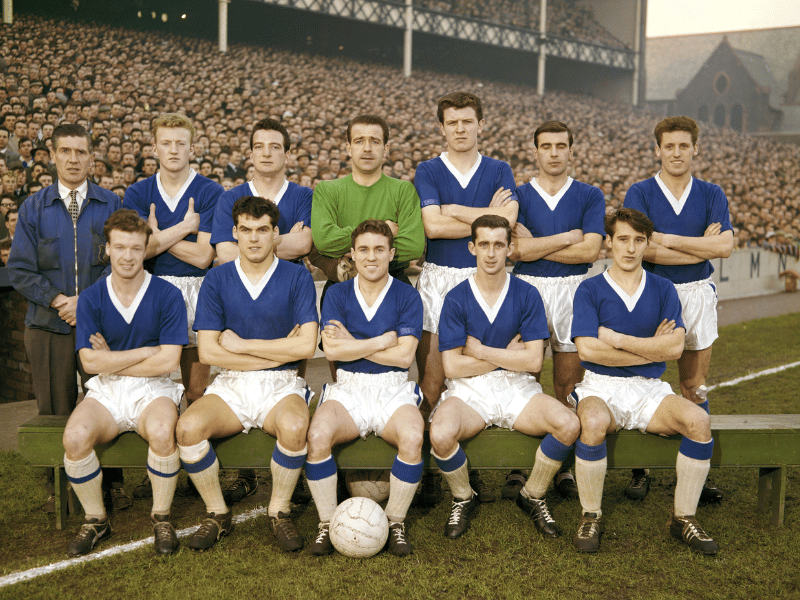
Everton FC team group circa 1959 pictured at Goodison Park in Liverpool. Selected players include Billy Bingham (front row 1st left) Frank Wignall (front row 2nd left), Roy Vernon (front row 2nd right), Jimmy Gabriel (back row 2nd left) and Brian Labone (back row 3rd right). | Allsport/Getty Images
23. Liverpool life in the 1950s
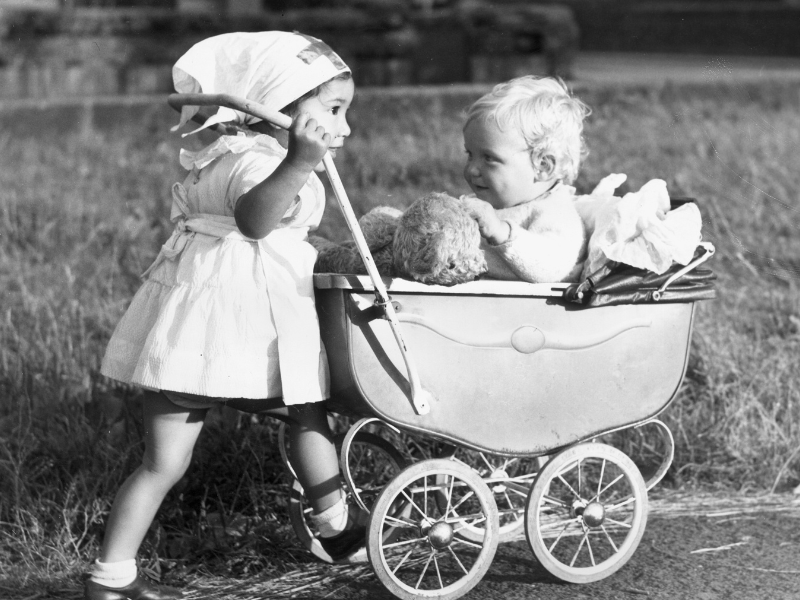
Two-year old Jacqueline Vanhien starts her nursing training a little earlier than most, here walking 14-month-old Carl Davis through Rock Ferry Park, Wirral, in 1959. | C. Donnelly/Fox Photos/Getty Images
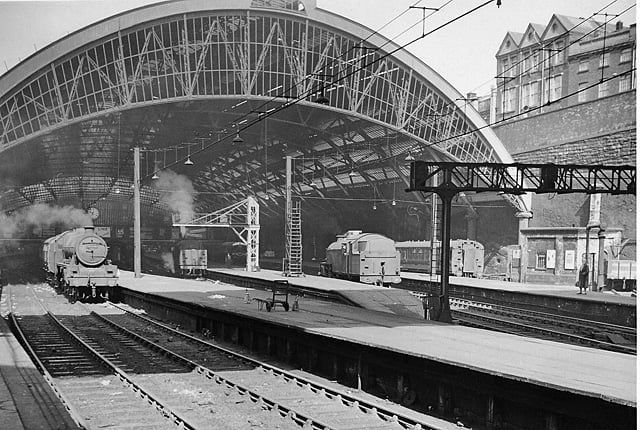
24. Liverpool life in the 1950s
An inward view towards buffer-stops at Lime Street Station in 1959. The wires are up for the electrification, but electric services did not commence for nearly another three years. Image: | Ben Brooksbank/CC BY-SA 2.0/wikimedia