
Merseyside Police tells of 'significant impact' and knock-on effects of daily asylum seeker hotel protests

A Merseyside Police superintendent said daily protests and tensions over a hotel housing asylum seekers had had a “significant impact for a prolonged period of time” on the force. The protests occurred mainly during the summer of 2025.
A report presented to Wirral councillors at a committee meeting on January 22 said there had been an increase in community tensions following the announcement the Kings Gap Hotel in Hoylake would be used to house male asylum seekers. The news led to “a surge in online activity and protests at the location throughout the summer.”
In response to this, housing services in the council chaired a weekly forum with the Home Office and Serco. Daily meetings were held with Merseyside Police and the council to address “ongoing tensions and threats and to put activity in place to mitigate against them”.
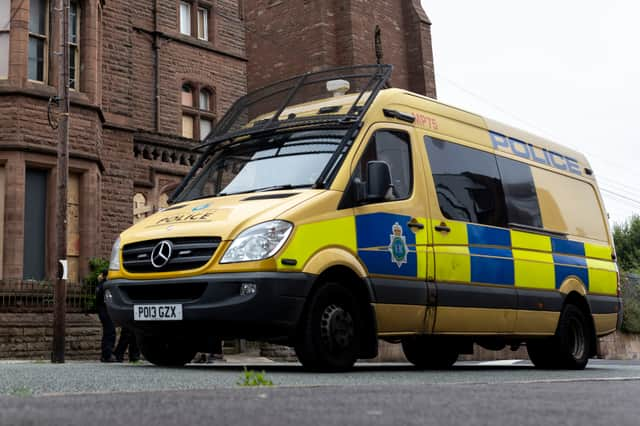

Merseyside Police also “provided resources at the hotel on a daily basis at the peak of the protests to prevent disorder and to safeguard and reassure not only the occupants of the hotel but also the wider community”. A CCTV camera was also installed outside the hotel which was monitored 24/7.
During the meeting, Bromborough councillor Ruth Molyneux said the situation was upsetting for her and thanked the police. She asked about the costs of the response to the police and the council.
In response, Supt Moscrop said: “Clearly our responsibility is to respect the right of all and each side seeks frequently to influence the policing approach and what should be done in these situations,” adding: “We don’t take sides.”
He said the police did what they could to de-escalate the situation, but told councillors: “We had to take the police officers from somewhere to deal with that and that’s the same anywhere.
“I would never dissaude people from exercising their rights but there are implications in terms of where we can be and what we can do. That was quite a significant impact for a prolonged period of time.”
Cllr Molyneux also brought up the Operation Raise The Colours campaign and condemned abuse towards council staff. The campaign originated in Birmingham and saw a trend of flag displays on streets in prominent locations.
However the council report said this trend “further polarised public opinion and resulted in raised community tensions and resulted in numerous complaints to the council”.
The council said its staff had been targeted when removing flags from public assets facing “abuse and numerous threats of violence from members of the public”. Merseyside Police had to attend on some occasions.
Labour councillors also raised concerns about a rise in hate crime. Police said many hate crimes were race-related but also linked to people’s sexuality with social media, national issues, and “political influences” which led to the increase.
Councillors also received a report on the performance of services tackling issues around community safety. In the last year, antisocial behaviour has dropped by 25%, though police said there had been changes in the way crimes were recorded.
Police action in New Brighton and West Kirby to crack down on antisocial behaviour was praised by Cllrs Sue Powell-Wilde and Jenny Johnson who represent those areas. Motor vehicle theft is down by 22% but residential burglary is up 28%.
An update was also given on a new team of police officers dedicated to tackling issues in Birkenhead town centre, a hotspot for crime and antisocial behaviour and an “area of high demand”. Supt Moscrop said: “That has been operational for the last two months and has been very successful in making its presence known.”