
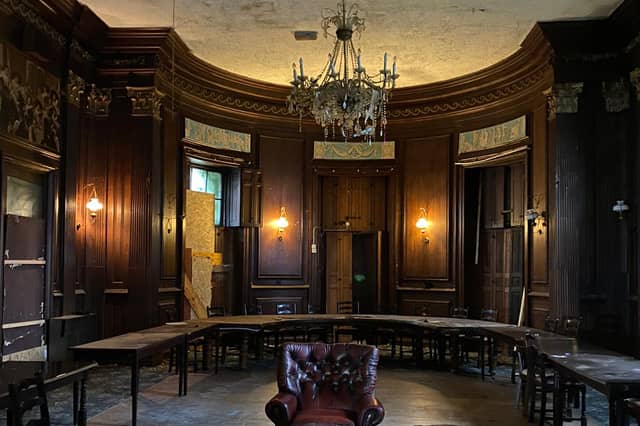


Historic England compiles an annual Heritage at Risk Register to document the critical health of some of England’s most historic landmarks.
According to the Government body’s latest available data, there are 16 Liverpool buildings at risk of being lost and seven Conservation Areas.
The list includes 300-year-old halls, iconic churches, historic docks and gardens from across the borough.
Charities, owners, local councils, and Historic England can work together to see historic places restored, re-used, and brought back to life through grants.
These funding schemes help with emergency repairs to historic buildings and help protect the livelihoods of dedicated people who run and maintain the historically rich places.
Below are the 16 Liverpool buildings at risk of being lost in 2024, along with Historic England’s description of the buildings and repairs needed.
The seven Conservation Areas not listed in detail below are: Hartley's Village, Derwent Square, Duke Street, Newsham Park, Ogden Close, Princes Road and Stanley Dock.
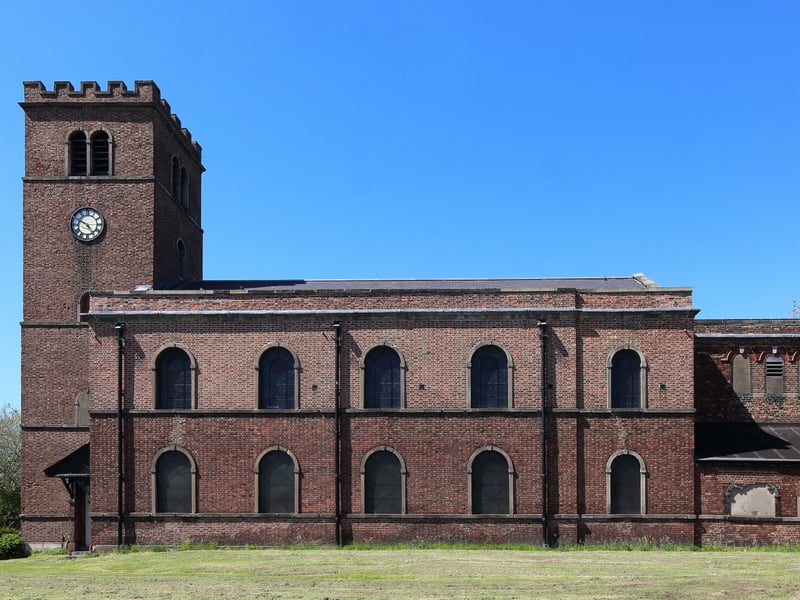
13. Church of St James, St James' Place - Grade II* listed
Nave and west tower built between 1774-5. Notable for its early use of cast iron columns. Transferred from the Churches Conservation Trust to a newly established parish which is actively working to secure the repair and re-use of the church. Major roof repairs, renovation of the main space and tower rooms, and the addition of a lift, are complete. Two balcony areas are still in need of refurbishment. | (Image: Rodhullandemu - Own work/Wikimedia) Photo: RodhullandemuWikimedia
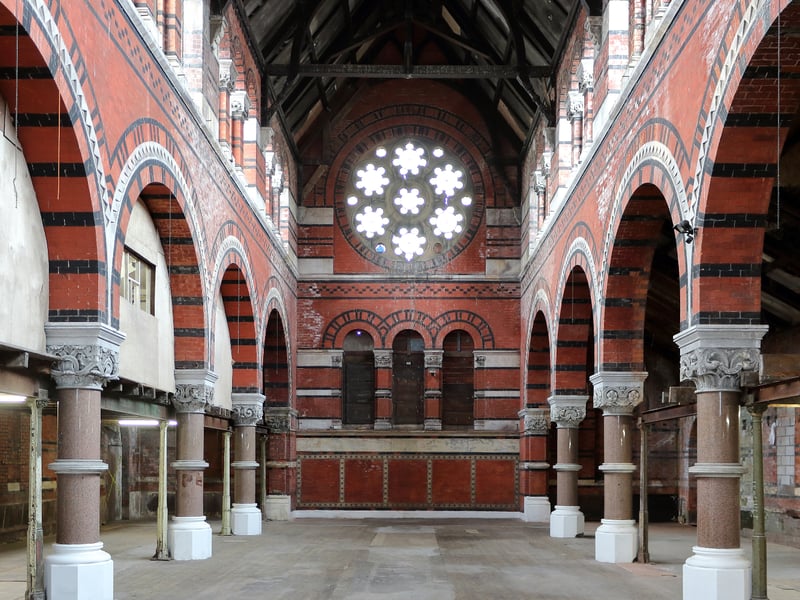
14. Christ Church, Kensington - Grade II listed
Built in 1870 this prominent Italian Romanesque style church has recently returned to ecclesiastical use. Striking with its dark red brick with bands of blue and orange brick and stone, its north west tower is a particular landmark. This ornate exterior and the granite columns and polychrome brickwork of the interior are now suffering from multiple issues including failure of the roof covering, deteriorating masonry, rainwater goods, and glazing. Water ingress is causing failure of the internal finishes and efforts are ongoing to fund repairs. | Rodhullandemu/wikimedia Photo: Rodhullandemu/wikimedia
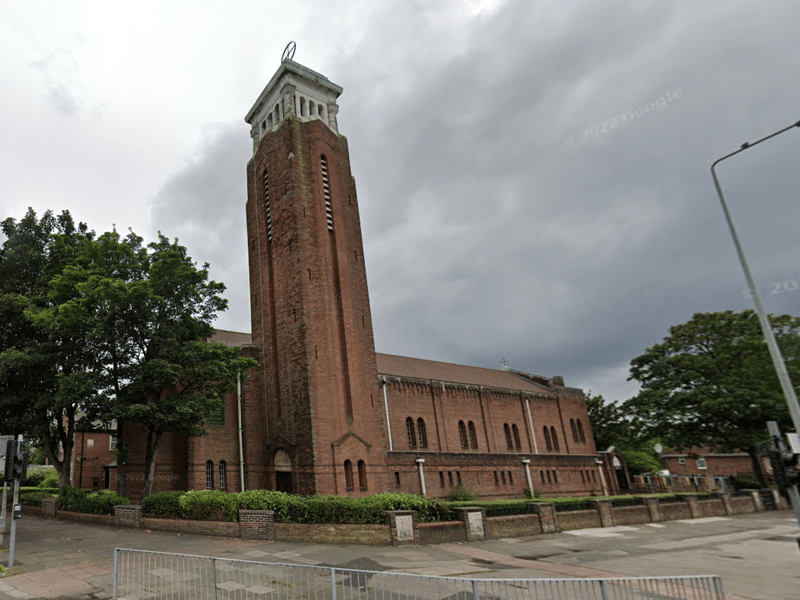
15. Roman Catholic Church of St Matthew, Queens Drive - Grade II listed
Church built in 1930 to designs of FX Verlade. Nave and aisles with side chapel and apsidal sanctuary. Connected to the presbytery and campanile on the north side of the west end. Brick with pantile and felt roofs and copper dome roof to campanile. Nave has been reroofed but issues of water ingress remain to the aisles, apse, and campanile, causing damage to linings, concrete frame, and decorative mosaics. | Google Street View Photo: Google Street View
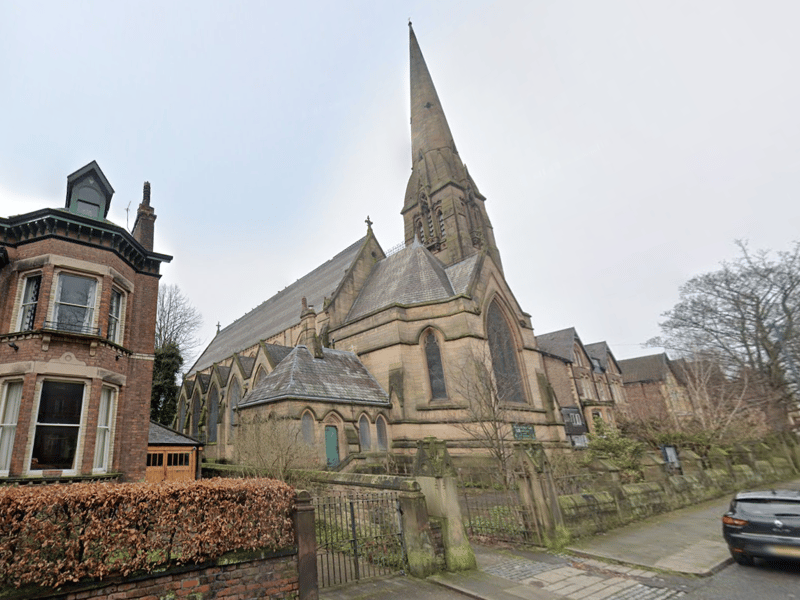
16. Christ Church, Linnet Lane - Grade II listed
Liverpool Church of 1870-1 by Culshaw and Sumners in sandstone and slate. Six bay nave with aisles under cross gables. North tower with broached spire and hipped south vestry. Failure of the rainwater disposal system had allowed dry rot to become established in the roof timbers of the aisle and vestry. The National Lottery Heritage Fund has supported the repair of the north and south aisle roofs. However, failure of the rainwater systems to the porches remains an issue. | Google Street View Photo: Google Street View