
Drivers flouting rules and causing misery across Merseyside could soon face tougher fines
Councils across Merseyside are to be given more powers to crack down on motorists who park on the pavement, causing disruption and annoyance to people across the region.
There have been several reports over the last year of inconsiderate drivers parking up on pavements, with apparent impunity, but that could soon change as new powers are set to be introduced.
Pavement parking is currently banned outright in London and Scotland, with councils elsewhere in England able to introduce restrictions for specific streets. However, the government says wider enforcement powers will make it easier for local authorities to tackle the worst examples of disruptive parking.
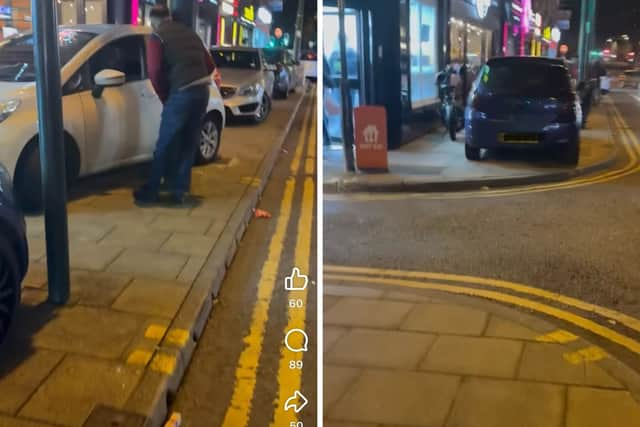

Blocked pavements can create serious barriers for parents with pushchairs, wheelchair users, blind and partially sighted people and older people, limiting independence and making everyday journeys harder and less safe.
Guide Dogs’ Chief Executive, Andrew Lennox, said: “Cars blocking pavements are a nuisance for everyone, but especially dangerous for people with sight loss, who can be forced into the road with traffic they can’t see.
“Pavement parking is also a barrier that shuts people out of everyday life. When pavements are blocked, people with sight loss lose confidence, independence and the freedom to travel safely. This stops people accessing work, education and social opportunities.”
Following a public consultation, the Department for Transport confirmed local leaders will be given new and improved legal powers to make it easier to restrict pavement parking across wider areas. Under the new approach, councils will be able to decide to take action on pavement parking in their area, but will retain flexibility where pavement parking is deemed acceptable.
For several years now, councillors across the Liverpool City Region have been campaigning for more powers to tackle pavement parking, as public pressure builds to curb the practice.
In places like Merseyside, it is only the police who can fine those who cause obstructions or park dangerously, which has led to frustration that more can’t be done by other agencies. Presently, councils can only fine drivers who break on-road rules like parking on double yellow lines.
A spokesperson for Sefton council said: “We welcome this positive news of additional powers to help us keep pavements clear from unnecessary obstructions. We know pavement parking is a well-known issue across the borough.
“Pavement parking can cause a lot of disruption and affect accessibility for wheelchair users, people with prams and other pedestrians because the pavement becomes too narrow to get past. It can also cause cracked slabs in the pavement as they weren’t designed to be driven over, and as a result increases maintenance costs and trip hazards.
“We are currently awaiting further details from the government around these powers and are considering how to implement them most effectively with our current resources.”
The additional scope for enforcement actions forms part of the government’s Plan for Change, making transport more ‘accessible and inclusive’ and supporting growth by ensuring streets and public spaces work for all.
These sentiments were shared by Knowsley Council who said pavement parking can cause obstructions to people using the pavement, especially those in wheelchairs or mobility scooters, people with sight impairments and parents with prams.
A spokesperson added: “We currently work closely with our partners at Merseyside Road Safety Partnership and Merseyside Police to tackle the issue of pavement parking. We will await further guidance from the Department of Transport about the introduction of new legislation.”