
Liverpool Waters masterplan approved with plans for 5,800 new waterfront homes
Revised plans for the 60-acre Liverpool Waters development include more than 5,800 homes, five neighbourhoods and a major new park at Central Docks.
A revised masterplan for the future of Liverpool’s iconic waterfront has passed a major hurdle as the city council greenlit changes to Peel’s designs for the 60-acre site. First granted in 2013, Peel Waters has amended its vision for the Liverpool Waters scheme to reflect the changes in the area over the last decade.
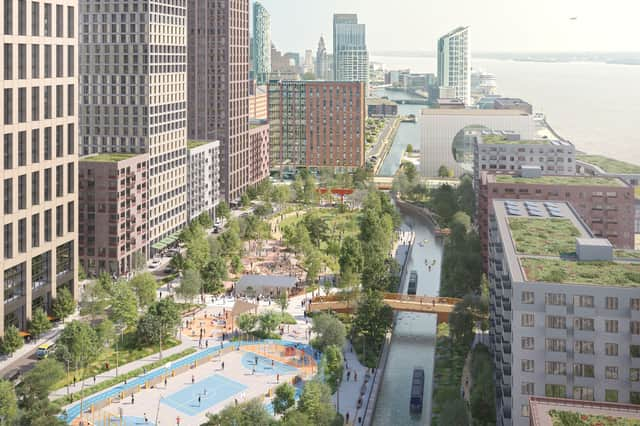

Stretching from the Royal Liver Building in the south to Everton’s Hill Dickinson Stadium in the north, the vision will support the building of more than 5,800 homes, including 20% affordable housing. Five distinct neighbourhoods will be created from Princes Dock to the Northern Docks alongside public spaces, healthcare provision, community facilities and employment opportunities.
The 26-acre Central Docks neighbourhood is the largest of five neighbourhoods within the project and will include approximately 2,350 new homes including a mix of affordable, elderly, build-to-rent and open market properties. At the heart of it will be a five-acre park with more than 3,000 trees and extensive biodiversity enhancements which is expected to open in Spring 2028.
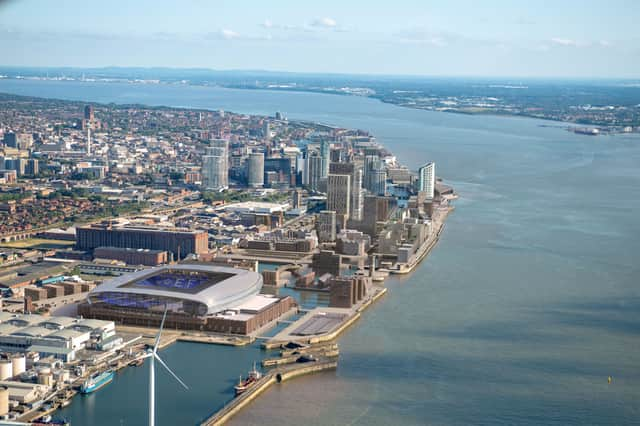
The original consent was deliberately designed around maximum development allowances to provide flexibility over a multi-decade delivery programme. Since the original masterplan was approved, Liverpool Waters has evolved from vision to reality, delivering new homes, major infrastructure, leisure destinations and public realm improvements across the waterfront. Alongside major infrastructure investment, Peel Waters has continued to embed heritage, education and social value into the regeneration programme.
More than 1,300 tonnes of historic dock cobbles recovered from the site have been carefully cleaned and reused within public realm and pedestrian routes across Liverpool Waters, helping preserve and celebrate the area’s rich maritime heritage. Peel Waters has also worked closely with Liverpool City College to support skills development, training and apprenticeship opportunities across construction, engineering and renewable energy, creating pathways into employment while ensuring the benefits of regeneration are shared with local communities.
James Whittaker, managing director of Peel Waters, said: “The approval of the updated Liverpool Waters masterplan marks another major milestone in the transformation of Liverpool’s northern waterfront. Since the original masterplan was approved in 2013, we have delivered significant progress across the site, including new homes, public spaces, leisure destinations, major transport infrastructure and the new Everton Stadium, helping establish Liverpool Waters as one of the UK’s most ambitious regeneration projects.”
The approved masterplan retains Liverpool Waters’ five-neighbourhood structure comprising Princes Dock, KINGS, Central Docks, Clarence Docks and Northern Docks. Future development will continue to be brought forward through detailed neighbourhood masterplans and reserved matters applications, ensuring the council retains oversight of the quality, design and delivery of each phase.
Chris Capes, Peel Waters development director, said: “The updated masterplan builds on everything that has already been achieved at Liverpool Waters while ensuring the development remains relevant for the next generation of waterfront living and working. It creates a more deliverable framework for future growth that responds to changing economic, environmental and social priorities.”
Ian Ford, senior director, Pegasus Group, added: “We have worked closely with Liverpool City Council over the last couple of years to review and refine the proposals, ensuring the updated permission provides a realistic and deliverable basis for the next stages of regeneration. The updated permission now provides an important platform for continued investment, new homes, high-quality neighbourhoods and public spaces, helping to reconnect the city with its historic waterfront.”