
Urgent warning to Liverpool parents as babies fall ill after toxins found in popular product
Parents in Liverpool have been urged to check supplies of infant formula after dozens of babies were poisoned by toxins linked to their food. The UK Health Security Agency (UKHSA) has confirmed it is investigating after 36 babies developed symptoms consistent with cereulide toxin exposure after consuming now‑recalled batches of baby formula.
The LDRS understands none of the children are based in the Liverpool area but Professor Matt Ashton, the city’s director of public health, said authorities were working to keep families updated as the situation develops. Prof Ashton said the risk to infants in the city remains low.
UKHSA has emphasised that the identification of these cases is not unexpected, given the wide availability of the affected batches before the recall. Liverpool Council continues to stay in close contact with national agencies and regional health partners as investigations move forward. Although this issue relates to a national product recall, the council said it recognises that reports of potential contamination may understandably cause concern among parents and carers in the city.
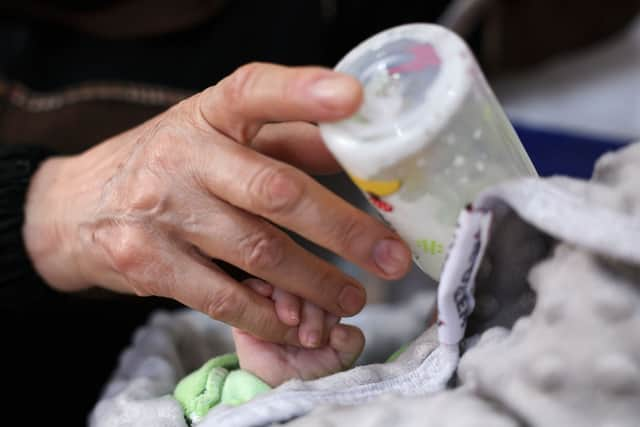

The cases have been recorded following widespread recalls issued in January by Nestlé, involving more than 60 batches of SMA infant formula, and by Danone, which recalled a batch of Aptamil formula due to the same concern. Cereulide is a heat‑resistant toxin that can cause symptoms such as vomiting, nausea and abdominal cramps, and its presence has been linked to an ingredient known as arachidonic acid (ARA), an optional fatty acid added to some formulas.
The Food Standards Agency has already confirmed that toxin contamination has been detected in affected batches, and recalls have been updated as further testing has taken place. Prof Ashton said: “It is important that robust and appropriate measures are in place locally to identify the affected products.
“The national recall has identified the packs affected and local families should check their supplies. Our focus remains on ensuring that families have access to clear, accurate and up‑to‑date information as the situation develops.“Local midwives and health visiting services remain a source of ongoing infant‑feeding advice for those who already engage with them.”
Parents and carers should check batch numbers of any SMA or Aptamil products they may have at home against the latest recall notices available from the Food Standards Agency. Any child who has recently consumed a recalled product and develops symptoms such as vomiting, particularly within a few hours of feeding, should seek medical advice from NHS 111 or their GP.
Prof Ashton added: “We know that feeding your baby can feel quite overwhelming at first – whether you are breastfeeding, bottle feeding or a combination of both. There is a lot of evidence to show how beneficial it is to breastfeed your baby, especially in the early weeks.
“Some people who are not breast feeding may worry that they are missing a chance to bond with their baby. You can still grow a strong emotional bond with your baby while giving them a bottle.
“During feeds, keep eye contact with your baby, feed them skin-to-skin, chat softly to them and watch out for signals or cues of how they are feeling.”