
Why this uPVC finish for replacement sash windows is catching on with period homeowners in Liverpool
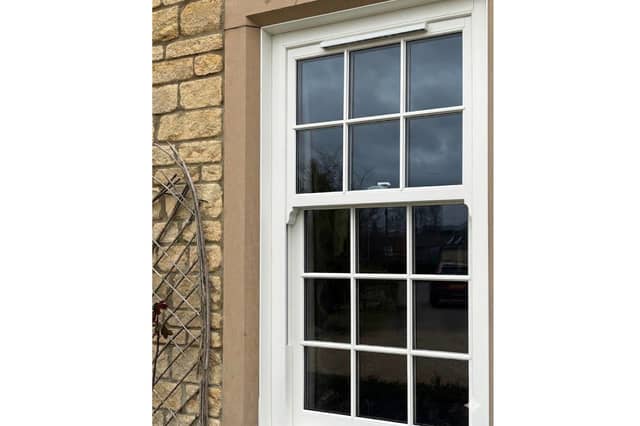

Chalk White is the window finish that's making designers and period property owners take a second look, and it's easy to see why. It doesn't shout for attention, and that's precisely the point.
Walk down almost any Victorian or Edwardian terrace in Liverpool, through neighbourhoods like Aigburth, Wavertree, Anfield, and Mossley Hill, and you'll notice something. Homeowners are thinking harder about how their windows actually look. Not just whether they seal properly or save on heating bills, but whether they sit right against the brickwork, whether they suit the age of the house, whether they look like they belong.
It's a shift that's been building for a few years now. And it's showing up in the kinds of colours and finishes people are asking about when they replace their windows.
What makes chalk white different from standard white?
At first glance, Chalk White sounds like a modest addition to any manufacturer's colour palette. It's still white. So what's the fuss about?
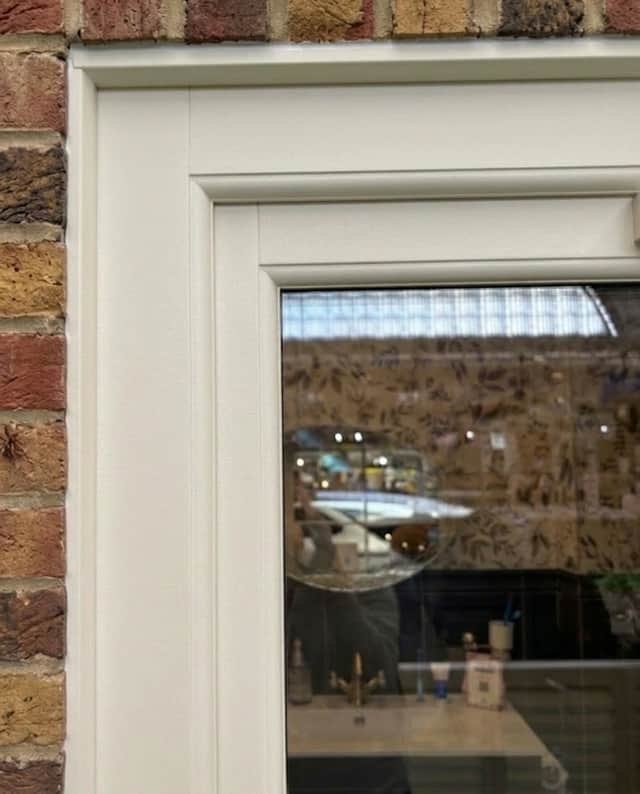
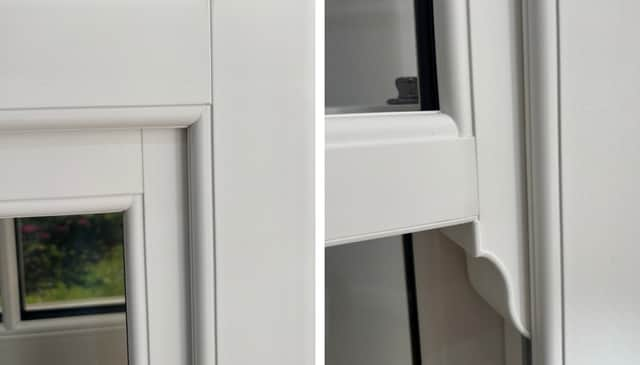
The difference is in the character of the finish itself. Where a conventional white uPVC tends toward a crisp, smooth appearance, perfectly suited to many newer homes and contemporary builds, Chalk White has a softer, slightly textured quality. It draws on the visual language of traditional painted timber rather than trying to replicate the brightness of a modern composite or clean-line frame.
Think of it as the new painted timber alternative, designed to expertly replicate traditional wooden frames. More in keeping with older streets and sympathetically renovated homes where the detail and texture of the building itself does the talking.
Quickslide, a Yorkshire-based manufacturer with a long track record in uPVC sliding sash windows, expanded its heritage-inspired colour range with the introduction of Chalk White, a finish developed to better replicate the appearance of traditionally painted timber. The company has built its name on combining heritage-style sash windows with modern performance, and the new Chalk White finish continues that approach, offering a softer, more refined alternative to standard white uPVC for period and conservation-style properties.
Why Liverpool homes are a natural fit
Liverpool's built environment is genuinely distinctive. The city has an enormous number of Victorian and Edwardian housing, terraced rows, bay-fronted semis, that form the backbone of residential neighbourhoods across Merseyside. Many are in conservation areas, or fall under local authority guidance that encourages sympathetic renovation.
That context matters when you're choosing a window finish. Conservation areas don't always demand timber, as policies vary, but they do favour windows that don't look jarringly out of place. And in streets where the original architecture still has integrity, a finish that nods toward the painted-timber look of the past can make a real visual difference.
Chalk White isn't the only answer for those homes. Cream, grey-toned, and traditional painted finishes all have their advocates, and the right choice depends on the specific property, the brickwork tone, the surrounding streetscape, and ultimately personal preference. But for a homeowner in, say, a late Victorian terrace in Wavertree who wants their replacement windows to blend rather than contrast, a warmer, softer white has genuine appeal.
The painted timber look, without the painted timber headache
There's a reason so many period property enthusiasts still covet original timber sash windows. There's an authenticity to them, a depth of finish, that standard uPVC has historically struggled to match convincingly.
The gap has been narrowing, though. Woodgrain uPVC foils have improved significantly, and manufacturers have become better at producing profiles that mimic traditional sightlines and proportions. Chalk White occupies a slightly different space. It's not attempting to replicate timber woodgrain in a modern fashion, but instead captures the muted, handcrafted quality of a well-painted wooden frame.
It also sidesteps the very real practical problems that come with genuine painted timber: the maintenance cycles, the repainting, the seasonal swelling and shrinking that makes older sash windows notoriously draughty. uPVC in any colour offers the insulation performance and low-maintenance credentials that most homeowners are looking for.
More choice for character properties
Chalk White has been designed to give homeowners and installers another thoughtful option within an increasingly diverse colour range. It works particularly well on period and heritage-style properties where a softer, painted-timber appearance feels more at home, while brighter whites and bold contemporary shades remain the perfect fit for many modern homes, rendered properties, and new-build developments. The strength of today’s window market is the breadth of choice available, allowing different styles, finishes and architectural approaches to sit comfortably alongside one another.
That makes it particularly well suited to cities like Liverpool, where large areas of Victorian terraces, Edwardian homes and traditional townhouses still define the streetscape. In these settings, details matter, and finishes that soften the appearance of uPVC can help replacement windows sit more naturally alongside original architectural features. Chalk White offers a way to retain the practical benefits of modern glazing while complementing the character and age of older housing stock.
If you're renovating a period property and want something that sits quietly and confidently within the architecture rather than drawing attention to itself, it's a finish worth a serious look.
Find out more about Quickslide’s heritage-style sash windows here