
Global Grooves: How Music and Culture Are Redefining International Relations
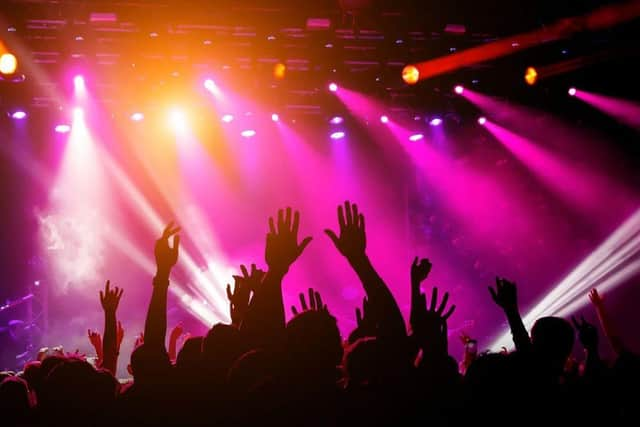
How Music Shapes Global Connections. Music is breaking borders and building bridges like never before. From Afrobeat icons headlining UK festivals to K-pop dominating global charts, these rhythms are more than entertainment—they’re tools of cultural diplomacy and identity. In a divided world, the UK’s role in fostering international music and culture highlights how shared creativity can inspire global unity and understanding.
In an era of political tensions and fractured diplomacy, an unlikely hero is bridging divides: music. From K-pop sweeping the charts in London to Afrobeat headlining British festivals, music is reshaping cultural boundaries and sparking new conversations about identity, influence, and the power of shared rhythms. But this isn’t just about catchy tunes it’s about how nations are wielding music and culture as tools of connection, resistance, and even diplomacy in an increasingly polarized world.

1. The New Global Language:
Forget formal speeches and treaties—music has become the most effective way to connect across cultures. The UK’s collaborations with international artists, from Middle Eastern oud players to South African house producers, highlight a growing trend: cultural diplomacy through sound. These collaborations go beyond entertainment, creating spaces for dialogue that traditional politics can’t reach.
2. The Rise of Sonic Superpowers:
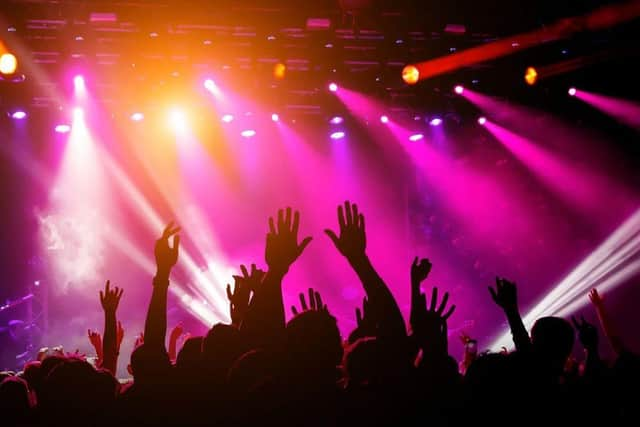
Global genres are no longer niche. K-pop isn’t just a Korean phenomenon; it’s a UK obsession. Afrobeat stars like Burna Boy are headlining Wembley, while Latin artists dominate British playlists. The UK isn’t just a consumer—it’s shaping these movements, with British producers and artists co-creating the sounds defining this generation.
3. Festivals as International Stages:
Festivals are no longer just local celebrations. Glastonbury’s diverse lineups and WOMAD’s global ethos are transforming British audiences into cultural travelers. These events don’t just showcase music—they challenge perceptions, spotlight lesser-heard voices, and foster a sense of global unity.
4. Cultural Challenges in a Globalized World:
While music opens doors, it also raises questions. How do we balance cultural appreciation with appropriation? Visa barriers and funding cuts often prevent talented artists from showcasing their work internationally. Even in an interconnected world, political red tape can silence important voices.
5. Digital Democracy in Music:
Platforms like TikTok and Spotify have obliterated traditional borders. A teenager in Manchester can become a fan of a Congolese band overnight, and a remote artist can find a global audience without stepping on a plane. The digital age is amplifying cultural exchange like never before, but it’s also sparking debates about authenticity and commercial exploitation.
Music and culture have emerged as powerful forces in shaping how nations see themselves and each other. For the UK, these exchanges are more than just entertainment—they’re opportunities to lead, to learn, and to connect in profound ways. In a divided world, the universal language of rhythm and melody might just be the unifying force we need.