
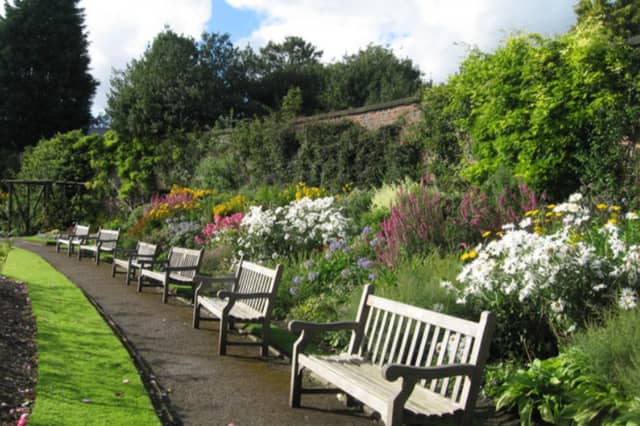


Summertime is officially here and it’s the perfect time for a stroll through the stunning Merseyside scenery.
The region’s coast is a popular choice for some walkers, but others opt for Liverpool’s beautiful green spaces - many of which have a rich and fascinating history. Some of the city’s parks date back hundreds of years and many once housed the estates and manors of the city’s richest families. Remnants of those grand buildings can still be seen.
Here we take a look at Liverpool’s picturesque, historical parklands and green spaces and delve into the fascinating journeys which led to them becoming the popular parks we know and love today.
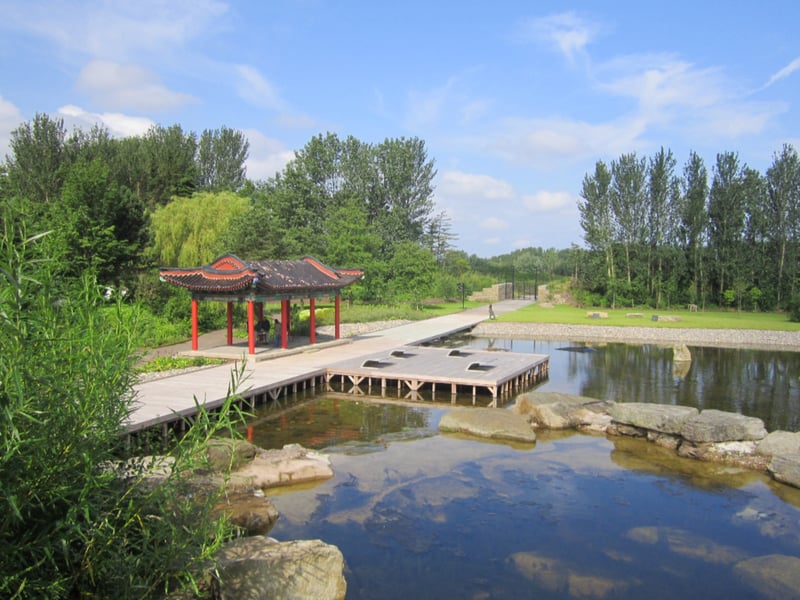
5. Festival Gardens
Located just outside of Liverpool city centre, Festival Gardens is a beautiful green space which once hosted the renowned International Garden Festival. Many of the gardens were left derelict and fell into disrepair after the 1984 festival but redevelopment work took place in 2010 which means that the garden has once again been transformed into a beautiful space. The park has many lovely features such as Japanese gardens, restored pagodas, the restored Moon Wall. | Image: Rept0n1x/Wikimedia
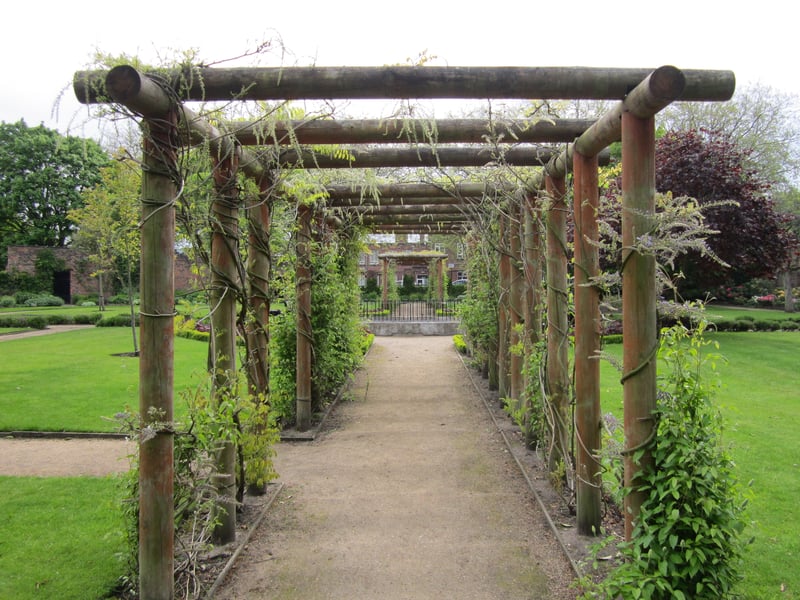
6. Greenbank Park
Located in the Mossley Hill area, the site of Greenbank Park was the former home of the Rathbone family and was purchased by the Liverpool Corporation in 1897. It is home to Liverpool's first boating lake and a recently restored walled garden. | Image: Rept0n1x/CC BY-SA 3.0/Wikimedia
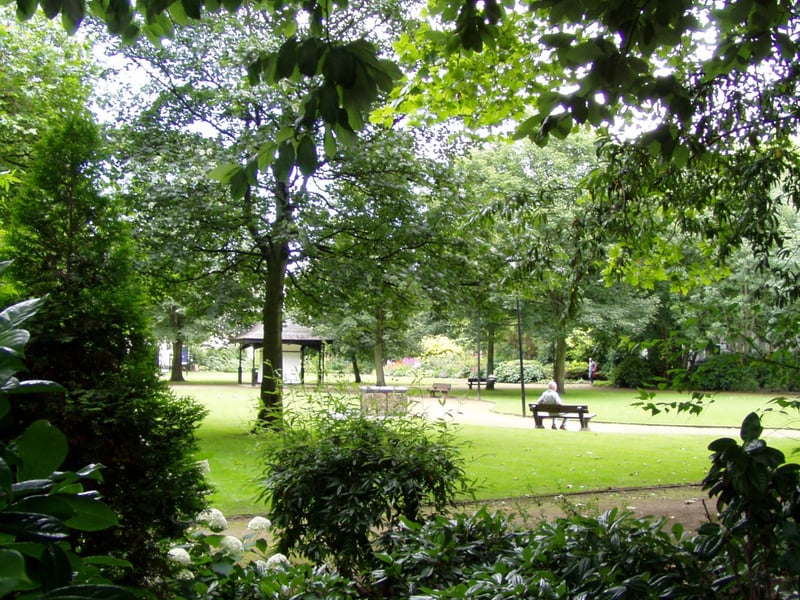
7. Falkner Square Gardens
Falkner Square dates back to 1835 and was one of the city's first open public spaces. The gardens occupy the centre of the square, which was once used for air raid shelters during World War II. | Image: John Bradley/Wikimedia
8. Sefton Park
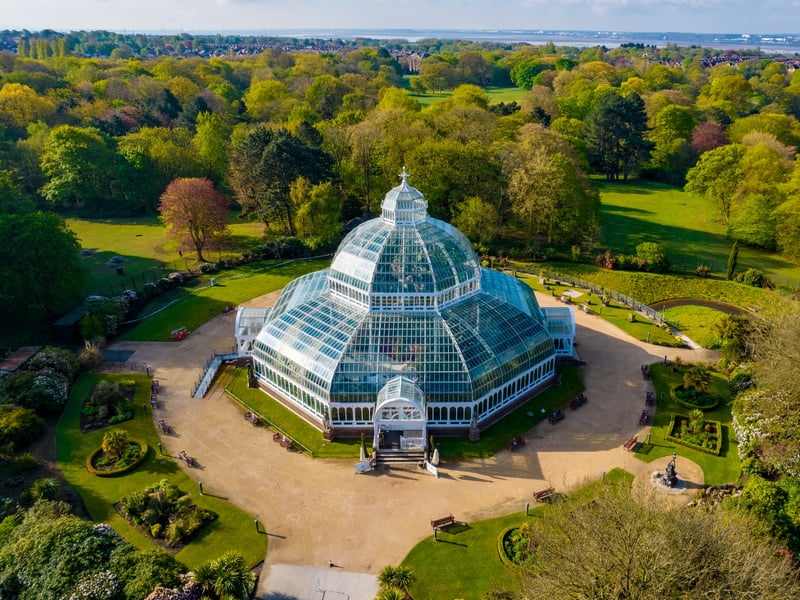
Sefton Park opened its gates in 1872, with the iconic Palm House opening four years later. The Grade II listed 200-acre Park has many amazing features, such as the nearly 100-year-old bronze Peter Pan statue, a tranquil fairy glen, lake and ample green space. Despite a period of trouble for the park following the bombing of the Palm House in 1941, it is arguably Liverpool's most popular park and the restored glass dome is truly magnificent. | Image: Paul - stock.adobe.com