
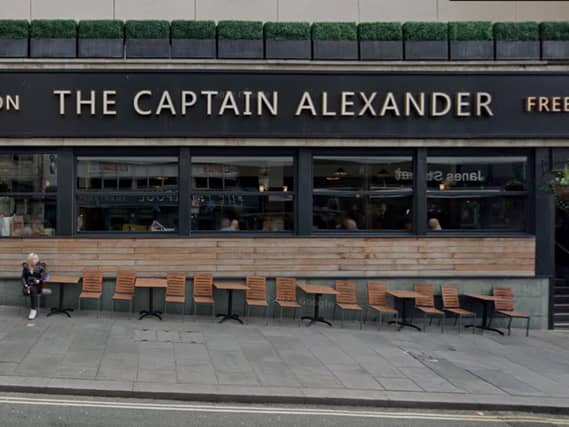


JD Wetherspoon pubs are an integral part of British culture, with multiple branches in every city, serving up fairly cheap pints and food. Liverpool has 16 to choose from and though we try to champion independent boozers, there’s no denying that Spoons is a major player in the pub scene.
With every corner of Liverpool city centre seeming to have a Wetherspoon site, we have delved into the unique stories behind how each venue got their interesting names.
Here, in no particular order, are all of the Wetherspoon pubs in Liverpool (with an ‘L’ postcode) and the fascinating history behind their names.
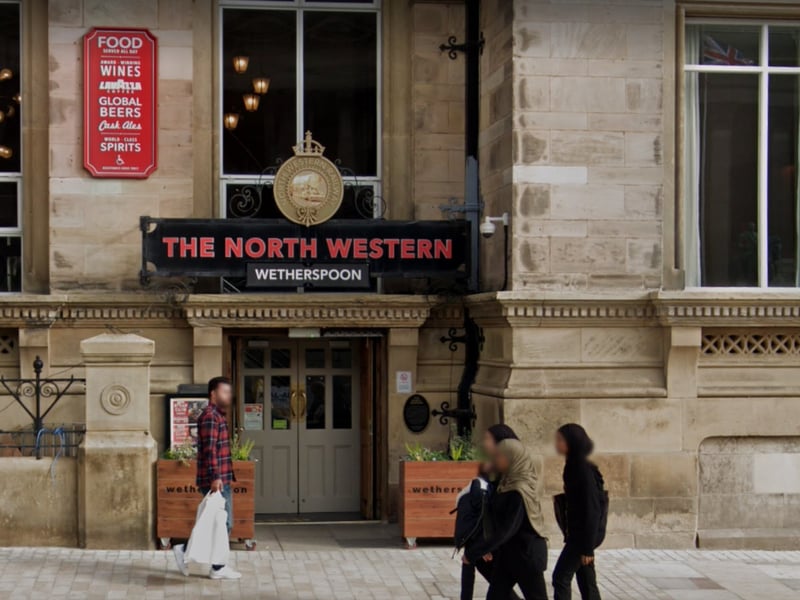
5. The North Western, Lime Street
According to Wetherspoons: “This grade II listed building was originally the North Western Hotel. The 330-room hotel was built by the London and North Western Railway to serve Liverpool Lime Street Station. It was designed by the renowned Liverpool-born architect Alfred Waterhouse. The North Western Hotel closed in the 1930s. It stood empty until 1996 when the upper floors were converted into halls of residence and the ground floor became a public house which now has its original name.” | Google Street View Photo: Google Street View
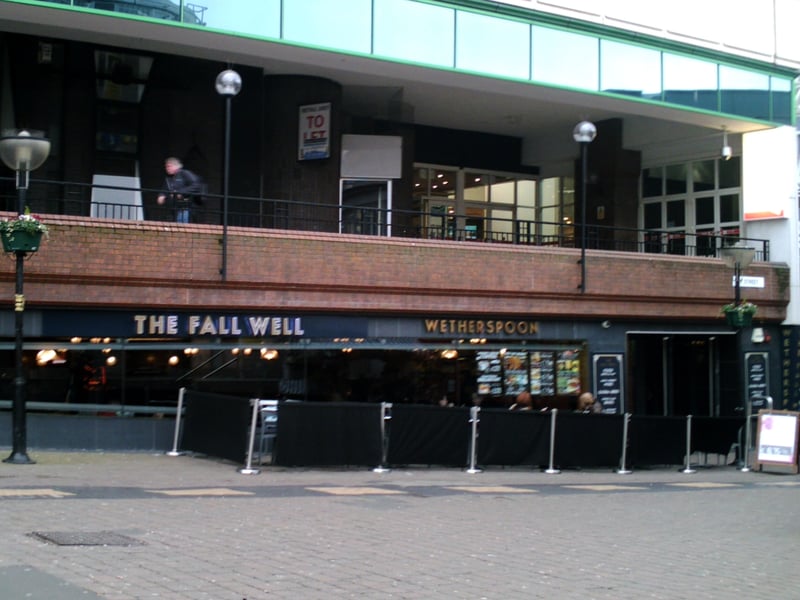
6. The Fall Well, St John’s Way
According to Wetherspoons: “The Fall Well is named after one of the city’s main sources of water in the 18th century. The well used to bubble away on the site of the neighbouring Royal Court Theatre. It also fed a fountain and garden in Queen Square owned by William Roe, a merchant who gave his name to Roe Street.” | Rodhullandemu, CC BY-SA 3.0 <https://creativecommons.org/licenses/by-sa/3.0>, via Wikimedia Commons Photo: Rodhullandemu, CC BY-SA 3.0 via Wikimedia Commons
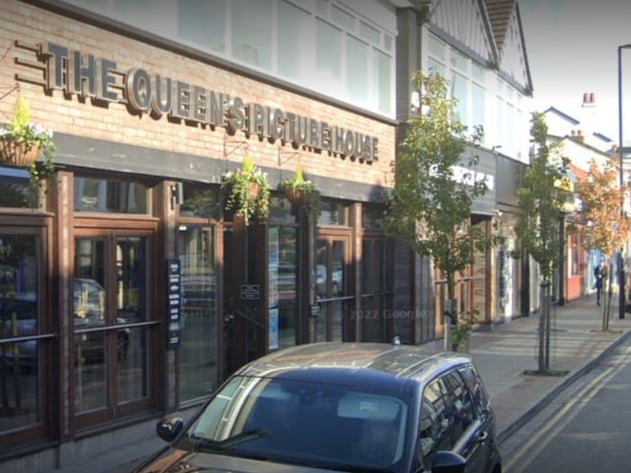
7. The Queen’s Picture House, Waterloo
Wetherspoons said: “Until 22 August 1959, the premises had been the Queens cinema. Converted to show ‘talkies’ in 1930, the cinema was purpose built in 1913 as the Queens Picture House, opening its doors on 17 March 1913, with His Western Way, a silent black-and-white film, directed by Romaine Fielding." | Google Maps Photo: Google Maps
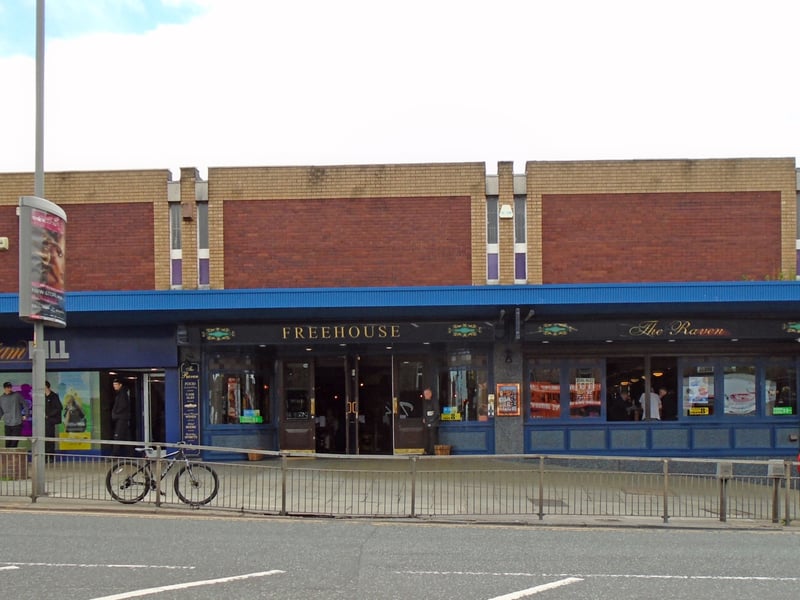
8. The Raven, Walton Vale
According to Wetherspoons: “This is named after a poem by the famous American author and poet Edgar Allen Poe. James William Carling lies buried in a pauper’s grave in Walton Park Cemetery. Born in 1857, he became a pavement artist at five, later going to America, where he produced a series of illustrations for Poe’s The Raven. Unable to find a publisher, he returned to England where he died in Brownlow Hill Workhouse, aged 29. His illustrations are on permanent exhibition today in the Edgar Allen Poe Museum, in America." | Rodhullandemu, CC BY-SA 4.0 <https://creativecommons.org/licenses/by-sa/4.0>, via Wikimedia Commons Photo: Rodhullandemu, CC BY-SA 4.0 via Wikimedia Commons