
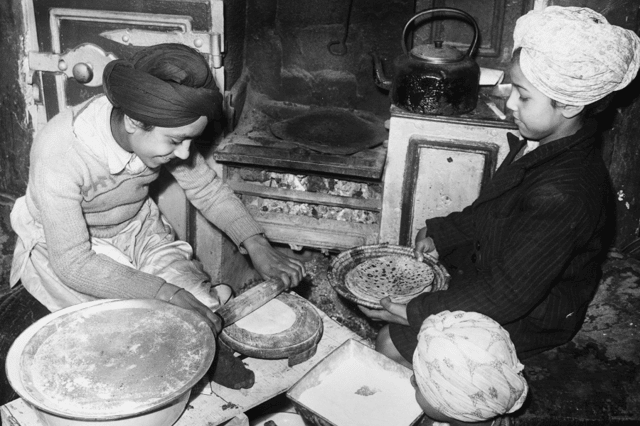


Liverpool saw major change in the 1950s, including welcoming Britain’s first ever drive-in bank, in Toxteth, and new offices and shops being built after the devastation of the Second World War.
Though the aftermath of the war weighed heavy on the city and its people, it was a decade of transformation, with slum clearance programs making way for new housing and businesses returning to pre-war profits.
People were able to enjoy many foods that had previously been subject to rationing, such as sugar, confectionery, meat and bread, and Liverpool once again hosted world-famous events like the Grand National and the British Grand Prix.
Televisions became staples in many households, and families across the city watched Queen Elizabeth II’s coronation from the comfort of their living rooms.
It wasn’t all positive change for Liverpool though, with the Overhead Railway and its fourteen stations closed and demolished in 1956 and the city’s tram network ceasing to exist a year later.
We have put together a collection of photos showcasing what life was like in the 1950s and what the city looked like back then...

9. Liverpool life in the 1950s.
Liverpool Football Club team members pose for a photo in America, where they had played 30 consecutive matches without a loss - circa 1955. | Getty Images
10. Liverpool life in the 1950s
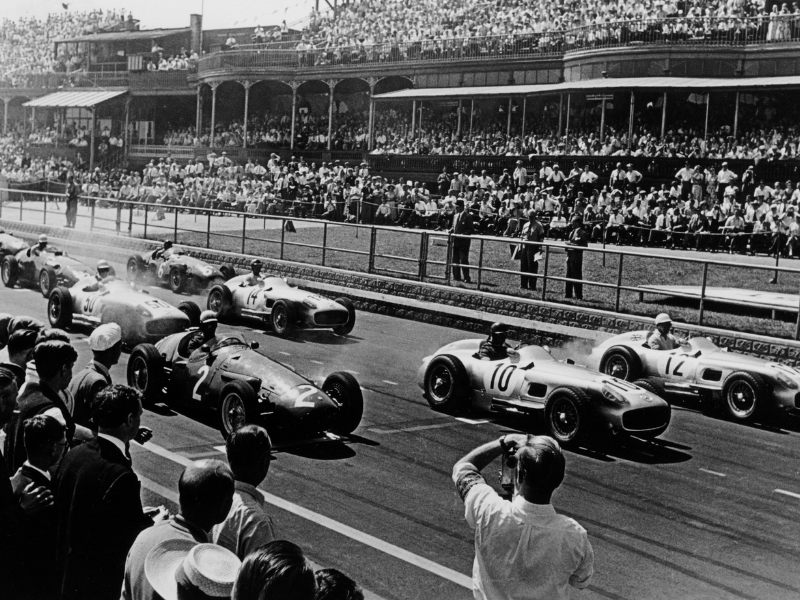
Start of the British Grand Prix in Aintree in 1955. From left to right on the front row are Jean Behra (Maserati), Juan Manuel Fangio and Stirling Moss (both Mercedes). Moss went on to win the race from Fangio, while Behra's race ended on lap 10 with mechanical trouble. | National Motor Museum/Heritage Images/Getty Images
11. Liverpool life in the 1950s
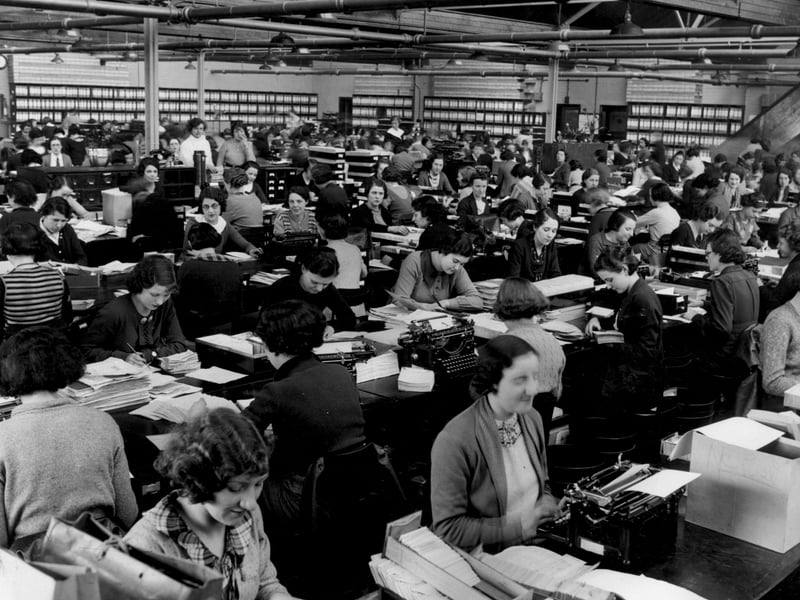
The busy office at Vernon's Football Pools Limited in Aintree, in 1955. Football pools massively suffered throughout WW2 but a Unity Pool organisation was created by the end of the war. It brought together seven of the largest pool companies to produce joint coupons instead of offering their own, including Vernons, Zetters and Littlewoods. Football pools saw a huge increase in revenue as a result. | Getty Images
12. Liverpool life in the 1950s
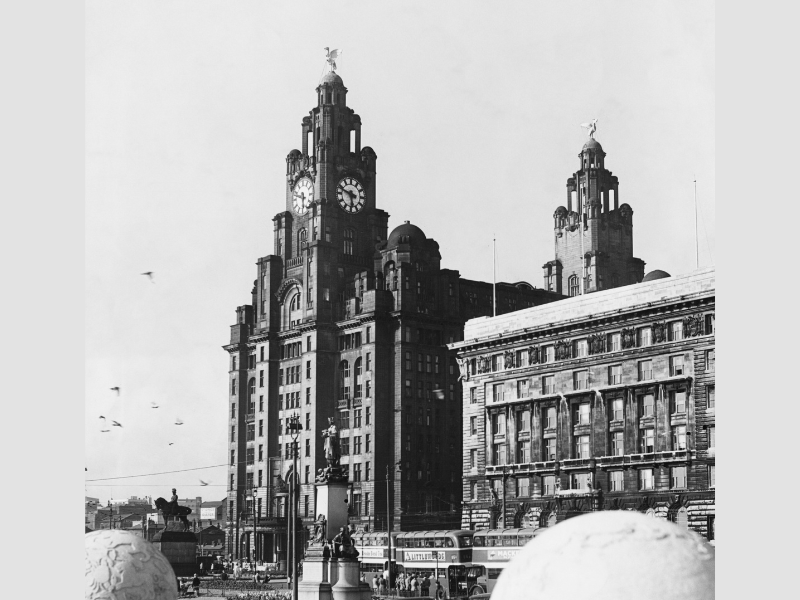
Liverpool's historic Royal Liver Building at the Pier Head, in 1955. | Fox Photos/Hulton Archive/Getty Images