
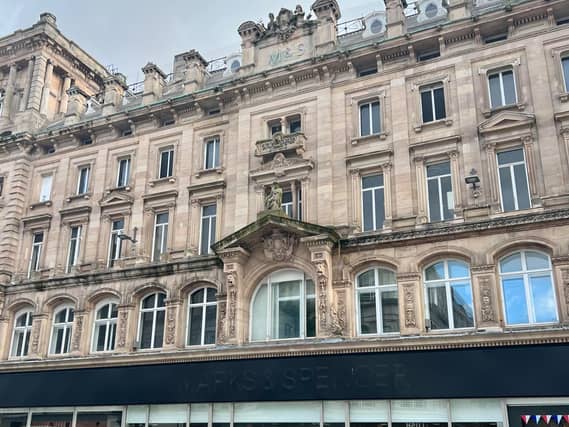


Liverpool boasts a rich history, with many fantastic buildings and historic landmarks representing the city for hundreds of years.
The incredible monuments help tell the story of how Liverpool has evolved over of the years and people travel from near and far to take in the city’s architectural wonders.
- Get the biggest stories from Merseyside in your inbox with Liverpool World’s free newsletter emails.
While Liverpool continues to change and grow, with Everton’s new stadium preparing for the new season, the Royal Albert Dock set for a revamp and the Tate art gallery undergoing a major redevelopment, these longstanding landmarks help the city to hold on to its identity.
We asked our readers to share their favourite Liverpool buildings and have put together a list of the top 29 landmarks mentioned. Take a look at the gallery below and let us know your favourites in the comments.
Have you got a story you want to share with our readers? You can now send it to us online via YourWorld at https://www.yourworld.net/submit/ It's free to use and, once checked, your story will appear on our website
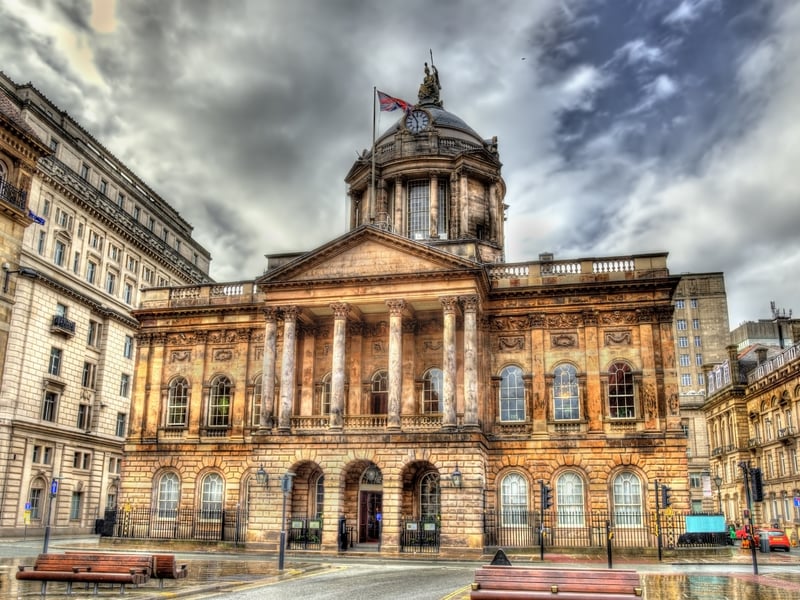
21. Liverpool Town Hall, High Street
Liverpool Town Hall is a stunning Georgian building in the heart of the city. It was constructed between 1749 and 1754 and is one of the finest surviving town halls of the 18th Century. The Hall has been a civic stage for significant moments, including the homecoming of The Beatles and the royal visit of Queen Elizabeth II. The building has been improved several times over the years and still hosts council meetings. | Leonid Andronov - stock.adobe.com
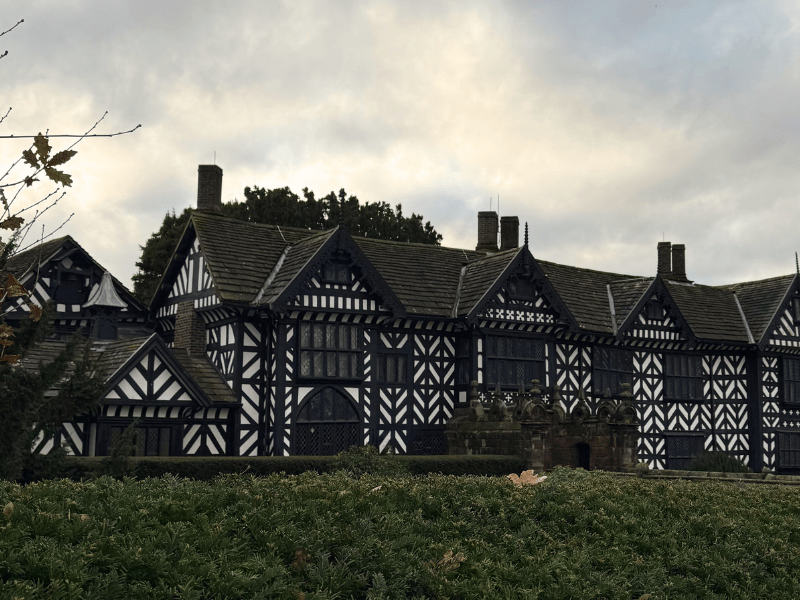
22. Speke Hall, The Walk
Built in 1530, Speke Hall is a wood-framed wattle-and-daub Tudor manor house, it is one of the finest surviving examples of its kind. Now owned by the National Trust, it was built by the Norris family, who owned the beautiful property for many generations. The public are able to visit Speke Hall and its huge grounds. | Emma Dukes / Liverpool World
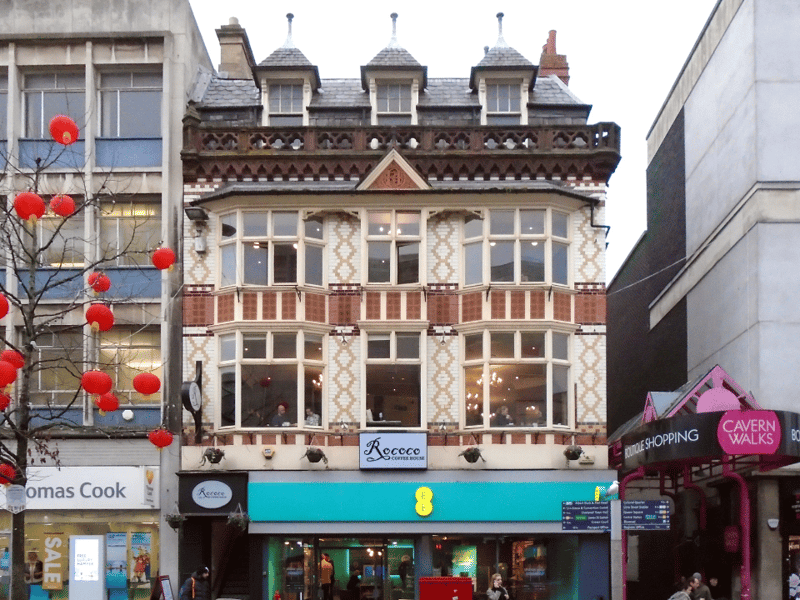
23. Number 61 Lord Street, Liverpool, known as Venice Chambers
In 1882, Venice Chambers was built by Edmund Kirby and it still stands at No.61 Lord Street. Described as a 'gothic parapet and yellow and white glazed brickwork in lozenge patterns' it is now home to Rococo Coffee House. | Rodhullandemu/CC BY-SA 4.0/wikimedia
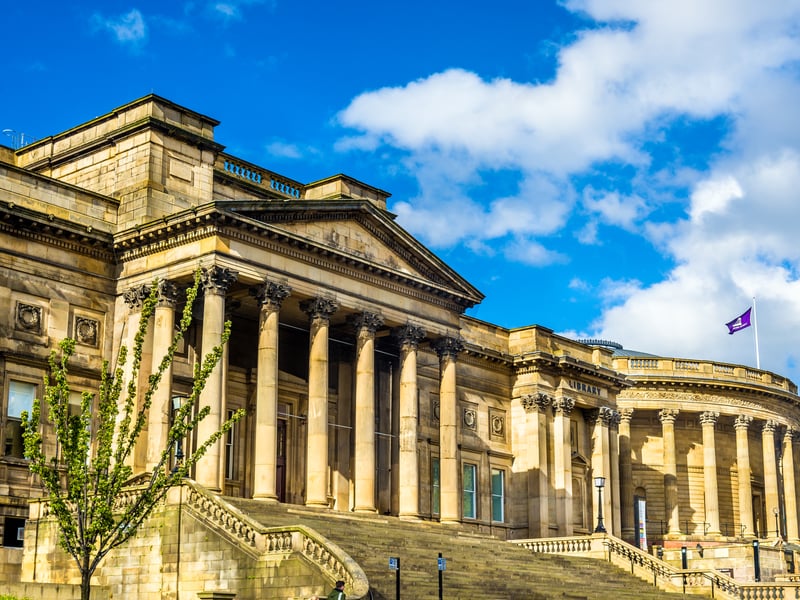
24. World Museum and Walker Art Gallery, William Brown Street
World Museum and the Walker Art Gallery are located on William Brown Street. Originally known as Shaw’s Brow, it was later named after MP William Brown, who, in 1860, donated the land for the construction of the free public library and museum. Brown was also one of the premier importers of slave-produced cotton into Liverpool during the nineteenth century. | Leonid Andronov - stock.adobe.co