
Experts called in to search for human remains at Aintree's eyesore Old Roan pub before demolition
The fate of a beloved old Merseyside pub will soon be determined, but not before a search for human remains has been completed.
The Old Roan pub in Aintree village was closed down more than ten years ago and has remained vacant ever since.
While the pub’s closure divided opinion at the time, the building has continued to attract controversy over its dilapidated condition with then landlord Commercial Realty Ltd fined over £16k in 2020 for failing to carry out remedial works.
However, the local landmark has been allowed to deteriorate into a state of disrepair since closing its door in 2013. Since then the building has become something of an eyesore and many residents have expressed concerns at the evident neglect of the site.
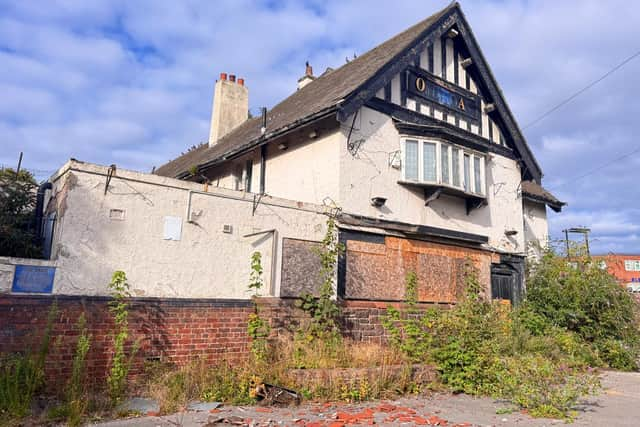

Julie, who wanted to be referred to by her first name, has lived in Aintree Village all of her life, and actually refers to the area as ‘the Old Roan’. Julie lives close to her sister and said their is a real sense of community in the village, but added the ‘Old Roan’ pub building is a blight on the neighbourhood.
Julie said: “It needs to be knocked down because this has been going on for too long now. I’d rather look at a bulldozer working every day than an old building falling to bits.
“Its an absolute eyesore. It used to be a lovely building but it has been left to rot and and is beyond saving now. Everyone around here just wants to see some action now because all the planning applications and plans have been approved so why hasn’t the work started.”
The Old Roan Inn in Aintree was once a thriving public house which first opened its doors in 1908 and the building is considered to be a non-designated heritage asset (NDHA). According to historical records, the Old Roan Inn was documented for the first time in 1798 and subsequently torn down before construction on the current building began in 1890.

The Old Roan building was acquired by 2M Developments Ltd in 2021 who initially applied to Sefton Council in 2023 for permission to knock down the building and construct a three to four storey apartment block. However, after a follow up assessment in 2024, the plans were altered to a three storey build and a new application was approved at a planning committee in October last year – subject to conditions.
During this time, local residents have been eager to hear about how the plans are progressing as there’s been no construction work done in the ten months since the proposal was recommended by Sefton Council’s planning committee.
The LDRS looked at publicly available information again this week and found a new planning application adjoined to the previous proposals and specifically addressing the following ‘reserved conditions’ relating to ‘Historic Buildings’, ‘Archaeology’, ‘Refuse’ and Cycle Parking.
One of these conditions stated: “”No development or site clearance shall commence until a written scheme of investigation for archaeological work has been submitted to and approved in writing by thelocal planning authority.”
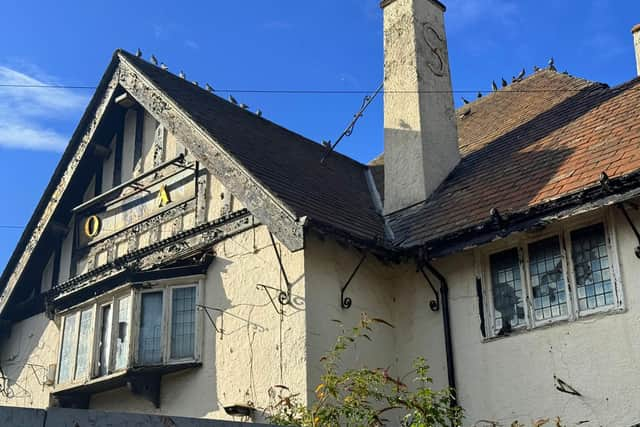
The latest application included a draft ‘Written Scheme of Investigation’ by a company called ‘Archaeological Research Service Ltd.’ (ARS). Within it’s report submitted on August 13.
ARS wrote: “The archaeological watching brief will provide mitigation for the impact the planned works may have on possible buried remains associated with the mid-18th century public house and smithy that occupied this site prior to the Old Roan Public House.”
Adding: “Should human remains, structures or deposits of archaeological interest be uncovered during the fieldwork, the Planning Archaeologist to the LPA will be consulted on the acceptable course of action.
“It is anticipated that this will entail the archaeological investigation, recording and recovery of artefacts/samples and other remains.”
Another document loaded into the application is a ‘condition discharge covering letter’ submitted by SM Development’s planning agent, Roman Summer Associates Ltd. confirming its intention to fulfil specific requirements outlined in a planning permission before or during development – this includes the archaeological investigation.