
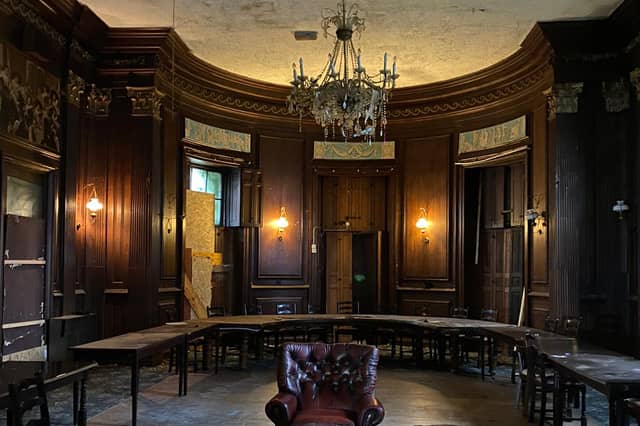


Historic England compiles an annual Heritage at Risk Register to document the critical health of some of England’s most historic landmarks.
According to the Government body’s latest available data, there are 16 Liverpool buildings at risk of being lost and seven Conservation Areas.
The list includes 300-year-old halls, iconic churches, historic docks and gardens from across the borough.
Charities, owners, local councils, and Historic England can work together to see historic places restored, re-used, and brought back to life through grants.
These funding schemes help with emergency repairs to historic buildings and help protect the livelihoods of dedicated people who run and maintain the historically rich places.
Below are the 16 Liverpool buildings at risk of being lost in 2024, along with Historic England’s description of the buildings and repairs needed.
The seven Conservation Areas not listed in detail below are: Hartley's Village, Derwent Square, Duke Street, Newsham Park, Ogden Close, Princes Road and Stanley Dock.
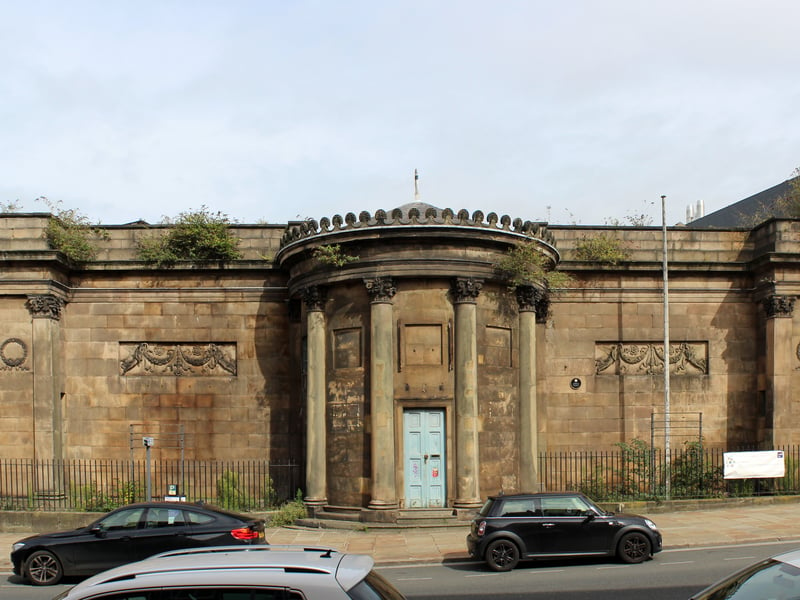
5. Wellington Rooms, Mount Pleasant - Grade II* listed
Built as a private assembly room for the Wellington Club in 1815. Later used as an Irish Club. Severe dry rot continues to be monitored. The local authority set up a steering group, which commissioned a condition survey and feasibility study to identify an end use. A Historic England grant-aided project addressed the most urgent repairs, but a long term re-use scheme remains elusive and vegetation continues to grow on the building. | Rodhullandemu - Own work/Wikimedia) Photo: Rodhullandemu/Wikimedia
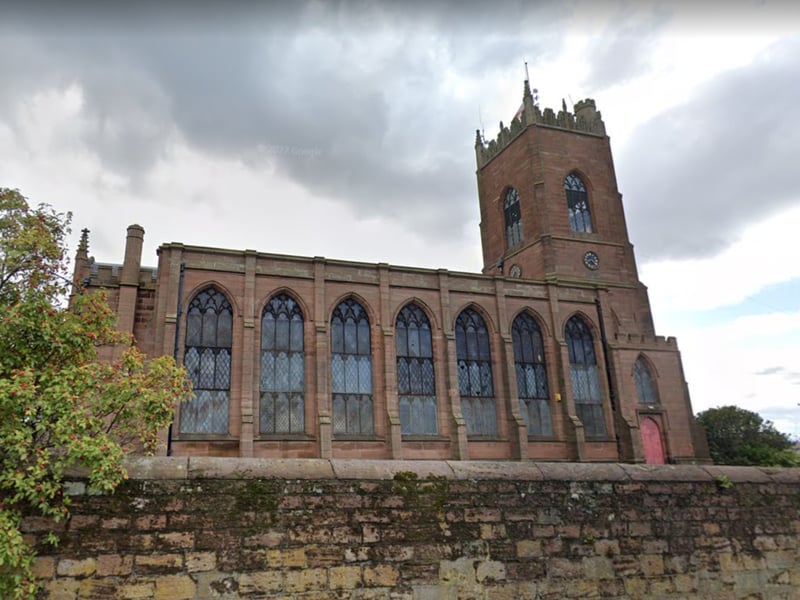
6. Church of St George, Heyworth Street - Grade I listed
Church of 1814 by Thomas Rickman and John Cragg. Nave and aisles under same roof. West tower, short chancel, and galleries to aisles. Iron frame, sandstone walls and patent slate roof. Work to re-slate the nave roof, re-line the gutters and repair the roofs of the east end and porches has been undertaken, with grant-aid from the National Lottery Heritage Fund. Further repairs are required to the cast iron work of the windows. | Google Street View Photo: Google Street View
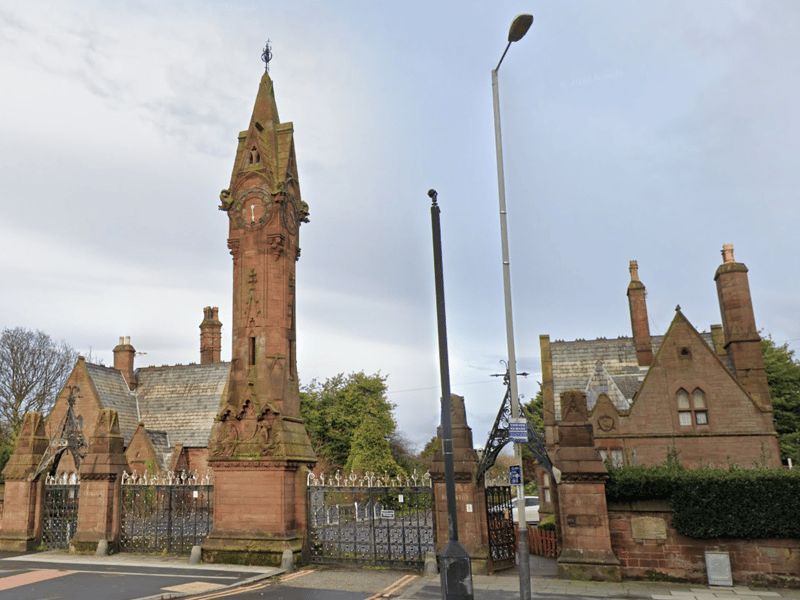
7. Anfield Cemetery, Anfield - Grade II* listed
A municipal cemetery designed by Edward Kemp and laid out in 1856-63. Contains buildings by Lucy & Littler. Of three original chapels, only one (listed grade II and disused) remains. Positive progress has been made, and a Conservation Management Plan has been produced following grant-aid from Historic England. A Landscape Management Plan is now being developed by the local authority. The Friends of Anfield Cemetery, local authority and Historic England are in positive partnership, and the local authority and Historic England have recently funded emergency propping works to the listed chapel. | Google Street View Photo: Google Street View
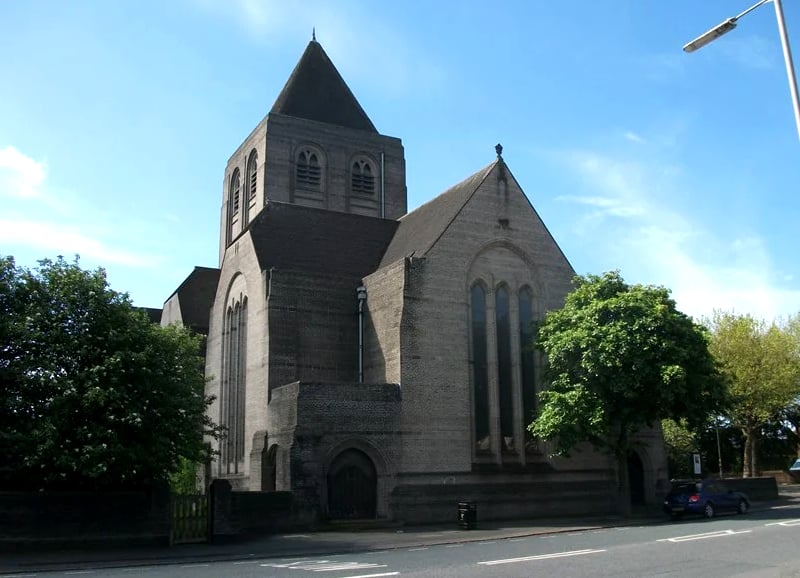
8. Church of St Paul, Derby Lane - Grade II* listed
Imposing urban church built to the designs of Giles Gilbert Scott in 1916. The single vessel nave and chancel has passage aisles and a central tower. Constructed in grey brick with a red tile roof. Secondary roofs are concrete. Insufficient cover to the reinforcement has resulted in corrosion and structural instability. The church is now known as St Mary and St Cyril Coptic Orthodox Church, the congregation have undertaken extensive repairs to address water ingress. However, further investigation of the roof structure is planned. | Historic England Photo: Historic England