

16 sites have been placed on the ‘at risk’ register, from landmark churches and gardens to a former country house. Historic England said its ‘at risk’ programme highlights the places which are at most in need of action being taken.
“Assessing sites for Heritage at Risk (HAR) helps us understand the overall state of England's historic sites,” Historic England said. “The process identifies sites that are most at risk of being lost as a result of neglect, decay or inappropriate development.”
- Get the biggest stories from Merseyside in your inbox with Liverpool World’s free newsletter emails.
Listed status is given to buildings of ‘special architectural or historic interest’, providing them with legal protection against being altered or knocked down without explicit consent. Buildings can be listed under three grades - Grade II, II* or I - with Grade I being the highest, covering structures of ‘exceptional interest’.
Grade II* buildings are particularly important buildings of ‘more than special interest’ and Grade II buildings are of ‘special interest’. Around 91.7% of all listed buildings are in the latter class and it is the most likely grade of listing for a home owner.
Below are all the historic Liverpool buildings at risk of being lost forever, along with Historic England’s description of the buildings and the repairs needed.
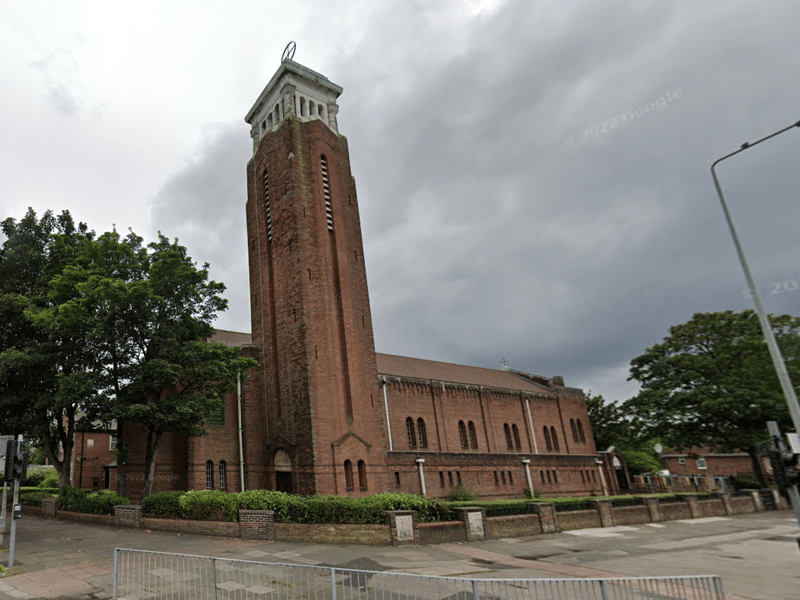
1. Roman Catholic Church of St Matthew, Clubmoor
Roman Catholic Church of St Matthew is located on Queens Drive, Clubmoor, and is Grade II listed. It was built in 1930 to designs of FX Verlade. Nave and aisles with side chapel and apsidal sanctuary. Connected to presbytery and campanile on north side of west end. Brick with pantile and felt roofs and copper dome roof to campanile. Nave has been reroofed but issues of water ingress remain to the aisles, apse, and campanile, causing damage to linings, concrete frame, and decorative mosaics. According to Historic England, a solution has been agreed but not yet implemented. | Google Street View
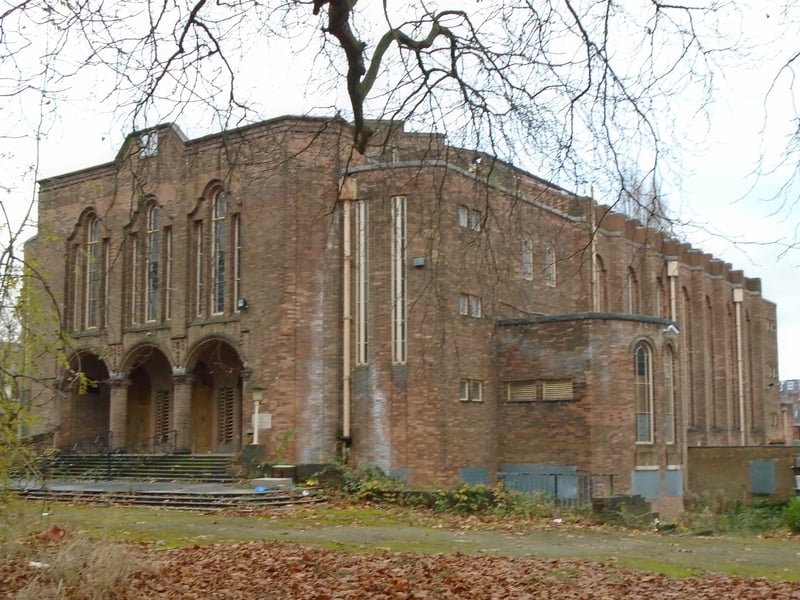
2. Greenbank Drive Synagogue, Sefton Park
This Grade II* listed synagogue is located on Greenbank Drive and was built 1936. It has been vacated by the local congregation. Urgent repairs to stabilise the building were carried out, grant-aided by Historic England. However, it remains unoccupied, and vegetation is evident at roof level and within the masonry, in addition to deteriorating glazing. Proposals for conversion to flats have not been taken forward. Historic England said: "Immediate risk of further rapid deterioration or loss of fabric; no solution agreed." | Rodhullandemu, CC BY-SA 3.0
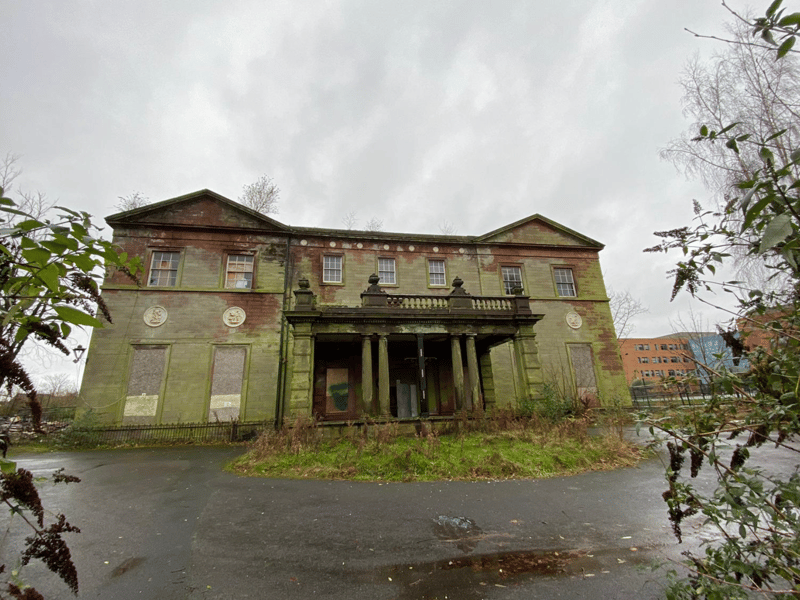
3. Woolton Hall, Woolton
Woolton Hall is a former country house, created by influential architect Robert Adam. Once a home for the wealthy, and then a school, it became disused in the 1950s and was set for demolition. Following mass pushback, it became a Grade I-listed building in 1982. The owners had plans to use the building as the focus of a retirement village but their proposals have failed to get financial support and the building has continued to decline. It is hoped that a new scheme for re-use will be worked up. The building has been subject to vandalism. According to Historic England, Woolton Hall is at 'immediate risk of further rapid deterioration or loss of fabric'. | Catherine Singleton - https://www.flickr.com/photos/s1ng0/50803243852/, CC BY-SA 2.0
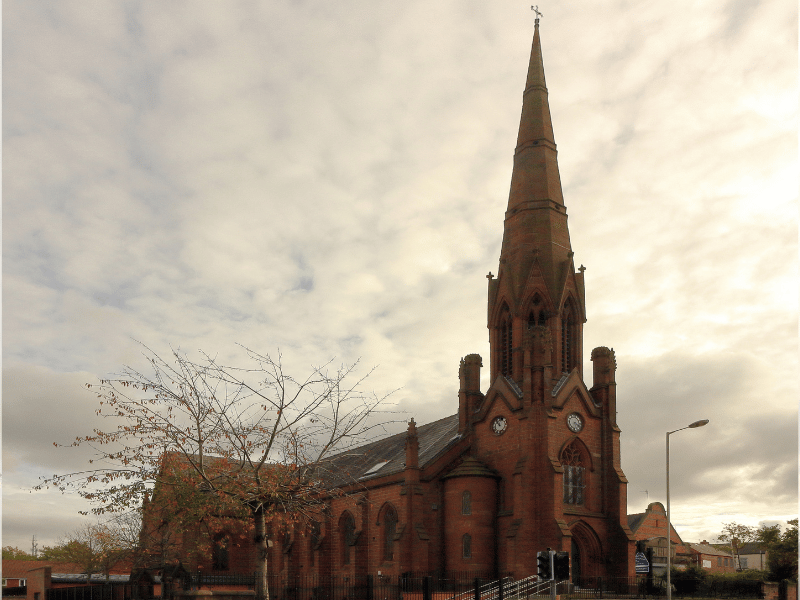
4. Holy Trinity Church, Walton
Located on Breck Road, Holy Trinity is a landmark spire church which had roof, gutters and downpipes and high-level stonework all in a poor state of repair. The church undercroft is now extended and in use by social organisations. Repairs grant-aided by the National Lottery Heritage Fund have addressed the tower and main roofs. The Grade II listed church is described as being in a state of 'slow decay'. | Rodhullandemu, CC BY-SA 4.0