
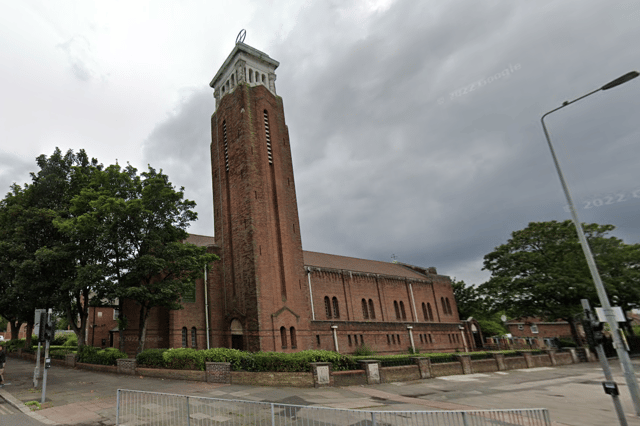


16 sites have been placed on the ‘at risk’ register, from landmark churches and gardens to a former country house. Historic England said its ‘at risk’ programme highlights the places which are at most in need of action being taken.
“Assessing sites for Heritage at Risk (HAR) helps us understand the overall state of England's historic sites,” Historic England said. “The process identifies sites that are most at risk of being lost as a result of neglect, decay or inappropriate development.”
- Get the biggest stories from Merseyside in your inbox with Liverpool World’s free newsletter emails.
Listed status is given to buildings of ‘special architectural or historic interest’, providing them with legal protection against being altered or knocked down without explicit consent. Buildings can be listed under three grades - Grade II, II* or I - with Grade I being the highest, covering structures of ‘exceptional interest’.
Grade II* buildings are particularly important buildings of ‘more than special interest’ and Grade II buildings are of ‘special interest’. Around 91.7% of all listed buildings are in the latter class and it is the most likely grade of listing for a home owner.
Below are all the historic Liverpool buildings at risk of being lost forever, along with Historic England’s description of the buildings and the repairs needed.
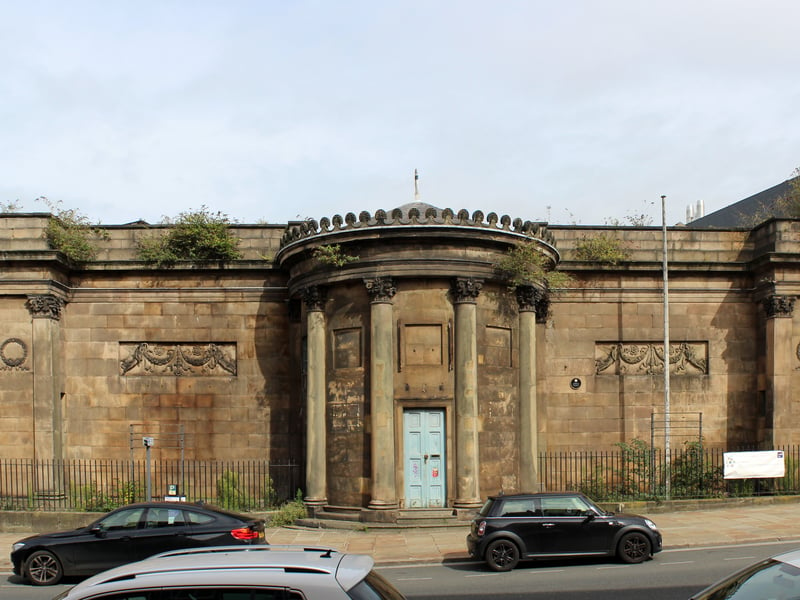
5. Wellington Rooms, Mount Pleasant
This Grade II* structure was built as a private assembly room for the Wellington Club in 1815. Later used as an Irish Club. Severe dry rot continues to be monitored. The local authority set up a steering group, which commissioned a condition survey and feasibility study to identify an end use. A Historic England grant-aided project has addressed the most urgent repairs, but a long term re-use scheme continues to be elusive. | Rodhullandemu - Own work/Wikimedia
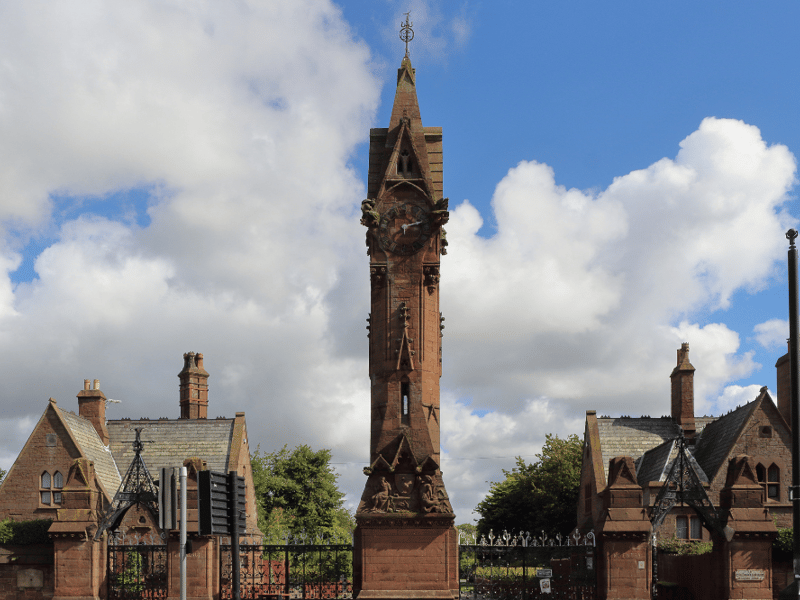
6. Anfield Cemetery, Anfield
Located on Priory Road, the Grade II* listed Anfield Cemetery was designed by Edward Kemp and laid out in 1856-63. Of three original chapels, only one (listed grade II and disused) remains. Positive progress has been made, and a Conservation Management Plan has been produced following grant-aid from Historic England. A Landscape Management Plan is now being developed by the local authority. The Friends of Anfield Cemetery, local authority and Historic England are in positive partnership, and the local authority and Historic England have recently funded emergency propping works to the listed chapel. | Rodhullandemu, CC BY-SA 4.0 via Wikimedia Commons
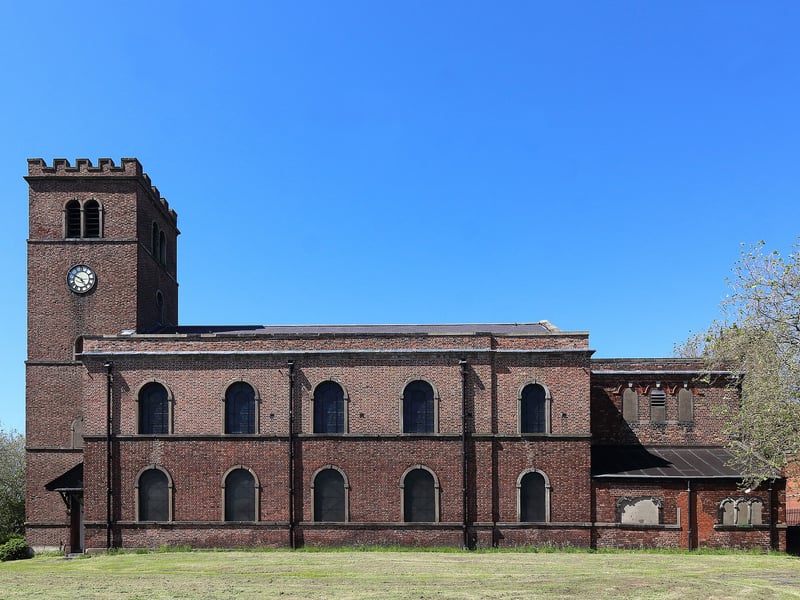
7. Church of St James, St James' Place
The Church of St James is a Grade II* listed building in Toxteth. The nave and west tower were built between 1774-5. Notable for its early use of cast iron columns. Transferred from the Churches Conservation Trust to a newly established parish which is actively working to secure the repair and re-use of the church. Major roof repairs, renovation of the main space and tower rooms, and the addition of a lift, are complete. Two balcony areas are still in need of refurbishment. | Phil Nash from Wikimedia Commons CC BY-SA 4.0
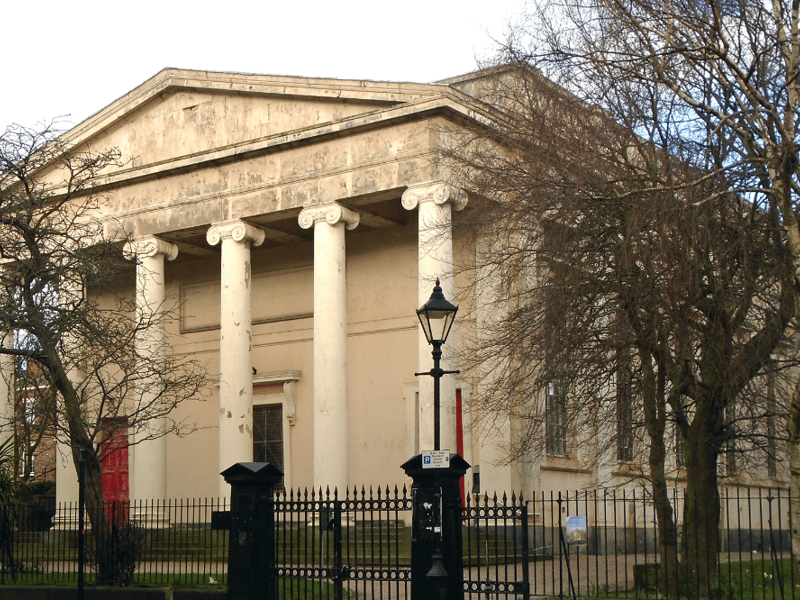
8. St Bride's Church, Toxteth
St Bride's Church, Percy Street, was built in 1829-30 in the Greek Revival style to the designs of Samuel Rowland. Inadequate roof pitches and rainwater systems have allowed long term water ingress and consequent timber decay. Unfortunately, a recent grant offer under the National Lottery Heritage Fund's Grants for Places of Worship scheme could not be progressed, and a new application has been made. The church has Grade II* listed status. | Rodhullandemu, CC BY-SA 4.0 via Wikimedia Commons