
Historic structure in one of Liverpool’s landmark green spaces set for a major upgrade
An historic structure set within one of Liverpool’s landmark green spaces is in line for a major upgrade.
Liverpool Council has lodged plans to restore and refurbish the Peach House, which sits within the walled gardens of Croxteth Hall set in the country park. A Peach House is a Victorian-era glasshouse that were originally used to grow exotic fruits like peaches and nectarines in a controlled environment.
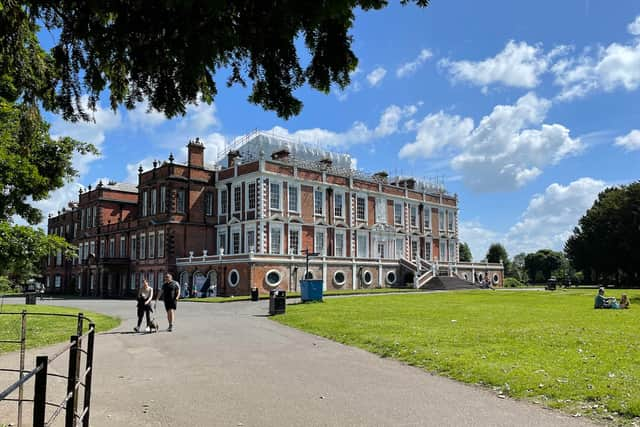

Croxteth Hall is the former country estate and ancestral home of the Molyneux family, the former Earls of Sefton. After the death of the seventh and last Earl in 1972, the estate passed to the ownership of Liverpool Council, which now manages the remainder of the estate following the sale of approximately half of the grounds.
The remaining grounds, Croxteth Park, were at one time a hunting chase of the Molyneux family and are open to the public. The walled garden is home to what remains of the Liverpool Botanical gardens, one of the oldest horticultural collections in Britain, founded by William Roscoe in 1802.
The gardens site has had a number of incarnations across the city, including being located at Mount Pleasant and then later Calderstones park. Parts of the collection are now in Croxteth Hall walled gardens and Sefton Park.
In 2023 Liverpool Council were awarded £245,000 after submitting a successful bid to The National Heritage Lottery Fund. The money is now being used to create and develop the permanent home for Liverpool’s historic Botanical Collection, and to restore the Peach House to display the collection.
A plan is in development to cultivate and expand a culturally significant collection located within the walled garden of Croxteth Hall. The project aims to open the collection to the public and establish it as a top visitor attraction in the city.
Initial works will commence to restore The Peach House, hopefully starting in October with a completion date of December, which will serve as the entrance to the collection and will accommodate some of the main botanical exhibits, thanks to money raised by National Lottery players.
The Peach House is presently in a dilapidated state and will require new glazing to render it appropriate for the hundreds of plant species that belong to Liverpool. It is hoped that this funding will act as a catalyst for other funding streams, to help build on the ambition.
Future plans include the restoration of a number of greenhouses and brick buildings in order to cultivate and grow the collection. A new education could also be developed to work with 10 primary schools across the city.
A dedicated website is also on a wish list to open up the collection to people across the world who may not be able to visit in person.