
'Sweaty and cramped': I rode Wirral buses all day to find out what passengers think ahead of major changes

Two years ago, I embarked a long trip around the Wirral by bus to find out what people truly thought about services in the region.
It turned into a rather epic 7-hour mission, complete with numerous stops and different tickets. But it turns out my bus journey was not over. With major changes for bus passengers on the horizon, I recently set off on a new leg to find out more.
In 2023, Liverpool City Region Metro Mayor Steve Rotheram made the decision to take back control of bus services, bringing forward what has been labelled the biggest shake-up to transport in the area in almost 40 years. Bus services were largely deregulated and privatised in 1986.
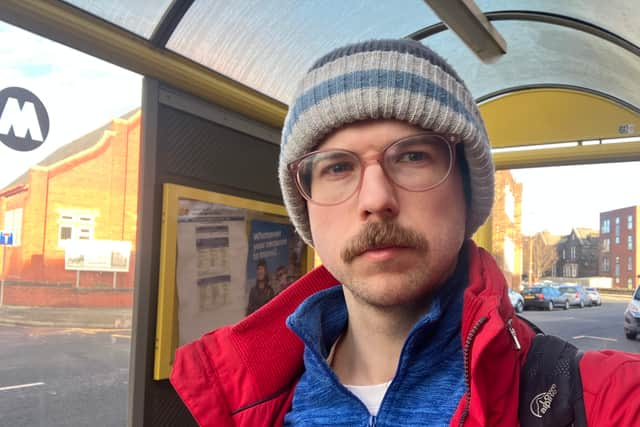

The plans are for a franchised bus service which people have been told will mean greater local control over fares, routes and timetables. It was backed by 70% in a survey and earlier this year, authorities asked for more feedback ahead of 2026.
Next year, the first batch of the region’s bus services will be taken back under public control in St Helens and Wirral. By the end of 2027, this will be rolled out to the other four boroughs in the city region.
While trains may grab more headlines, 82% of all public transport journeys in the region are by bus – so this mode of transport is a huge deal. With this in mind – and such fundamental changes on the way next year, I headed out on my new bus quest.
My journey started in New Brighton outside the resort’s Morrisons where I waited for a bus to take me to Liscard. From there, I went on to Birkenhead down to Eastham before venturing back up to Port Sunlight to get across to Heswall.
From Heswall, it was over to West Kirby before making the attempt to across north Wirral to get back to base. Setting off from New Brighton at 10:35am, I ended up back there at 5:22pm.
Things started off well, with buses generally arriving on time, full of lovely people. But by the end, I was in a cramped, sweaty vehicle packed with school kids and stuck in traffic.
Speaking to those who use these local services daily, some felt they were decent and usually on time. However others reported less positive experiences, particularly at night or on Sundays.
One woman who lives in Wallasey Village said she had to take the train to visit family in north Birkenhead when she would rather not. Others said services were good heading into town centres but said other places were not convenient to get to.
Passenger Fiona Wallace said one of her main issues was buses sometimes not turning up when they are supposed to, explaining that she was told once to get to her local stop ten minutes early so as not to miss the bus.
While generally happy with the service, she told the LDRS: “Sometimes they are late and sometimes two come together when they are meant to be 15 minutes apart”.
In Liscard, Susan Burroughs told me: “The problem we have here is getting a bus that will take you to the hospital. Our main hospital is Arrowe Park and it takes an awfully long time to get there.”
She added: “Because we live in a town centre, we have noticed we are quite lucky but we know people who live a few miles that way and they are a bit more disconnected than we are.”
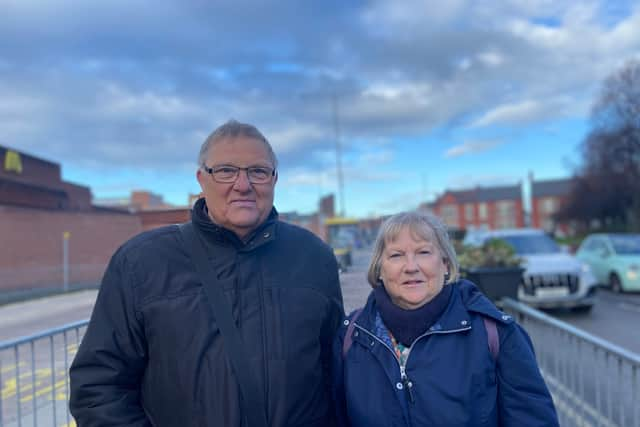
Jimmy, her husband and a former bus driver who worked both before and after privatisation, said the Arrowe Park route through Leasowe and Moreton “takes that long to get there you might as well take a packed lunch with you”. He also thinks next year “is going to be difficult” as services shift over.
Remembering the move to privatisation, he said: “It was a free for all is the best way to put it. All these bus routes came out and a lot of people took redundancies at that time, thinking maybe best to work for the companies on lower rates of pay. In the end it started to level itself out.”
Speaking about the move towards franchising, A Liverpool City Region Combined Authority spokesperson said: “Reliable, affordable, and accessible bus services are vital for connecting people to jobs, education, and opportunities. By bringing buses back under public control, we will have the power to set fares, routes, and timetables for the first time in nearly 40 years – ensuring decisions are made in the best interests of passengers.
“With franchising being introduced ahead of schedule, starting in St Helens in 2026 and rolling out across all six boroughs by the end of 2027, more communities will benefit sooner. We’re investing millions into new buses, depots, and infrastructure upgrade to prepare the network for the roll out.
“With a focus on a more integrated transport system, passengers can look forward to more frequent services, improved connections with rail services and to key destinations such as the airport, hospitals and educational facilities as we deliver a network designed to put people first.
“Ensuring the stability of the network from the first day of franchising is central to our plans. Our primary focus will be on maintaining reliable and dependable services for passengers as we deliver meaningful service improvements.”