
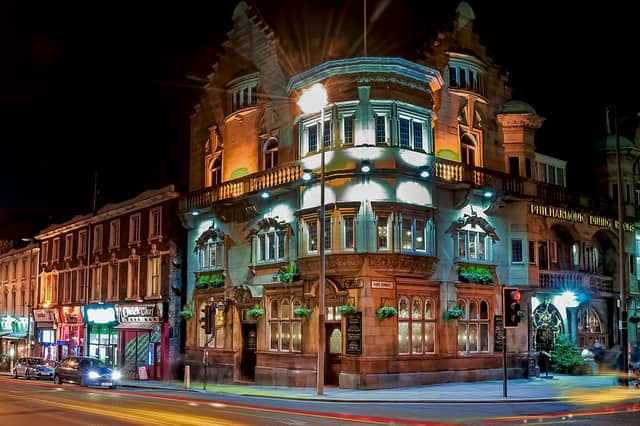


Liverpool is brimming with stunning architecture. The historic buildings help tell our story and help define the city. Spanning the Georgian, Victorian and modern eras, much of the city’s sense of identity can be seen in the iconic landmarks.
But as the evolution of Liverpool continues apace, with new multi-million pound developments and skyscrapers, are we in danger of losing that identity? We asked you to pick out your favourite buildings in Liverpool to help us cherish those monuments and edifices that enhance our city.
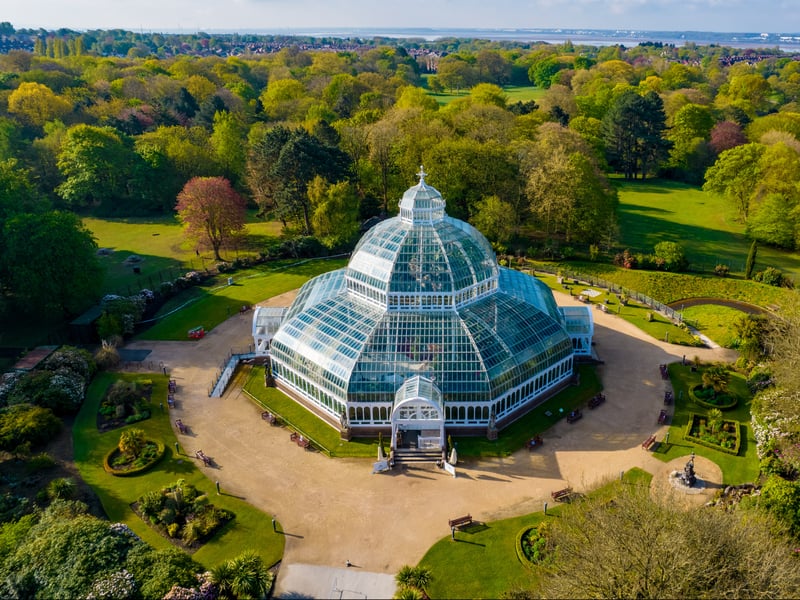
9. Sefton Park Palm House
The beautiful Grade II listed Victorian palm house in Sefton Park has become a Liverpool landmark but it was close to demolition on numerous occasions following attempted sabotage by Suffragettes, the World War II blitz of Liverpool and years of neglect. It was only saved from ruin after a fierce public campaign and a multi-million-pound restoration in 2001. | Paul - stock.adobe.com

10. Woolton Hall, Speke Road
Woolton Hall is a former country house, created by influential architect Robert Adam. Once a home for the wealthy, and then a school, it became disused in the 1950s and was set for demolition. Following mass pushback, it became a Grade I-listed building in 1982. In 2021, Historic England said the building was 'at immediate risk' however. While the architecture is stunning, it would be great to see it restored to its former glory. | Catherine Singleton/Wikimedia
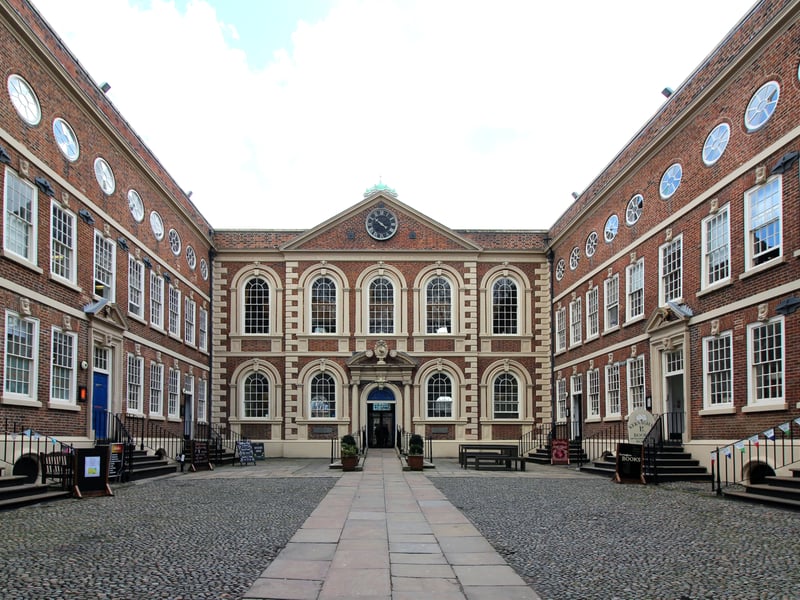
11. Bluecoat Chambers, School Lane
Bluecoat Chambers, just off Church Street, is the oldest surviving building in central Liverpool. Built in 1716–17 as a charity school, it is now an art and exhibition centre, containing 22 artists studios and a bistro. | Rodhullandemu/wikicommons
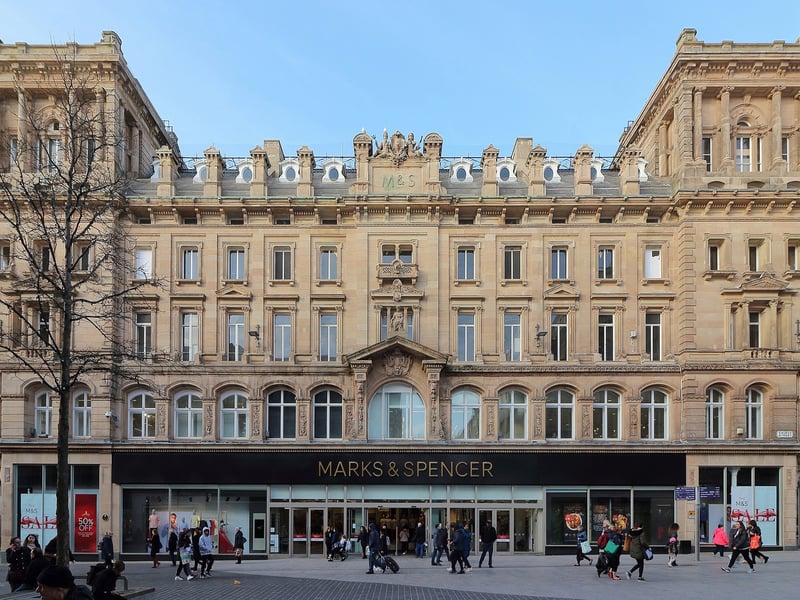
12. Compton House, Church Street
The iconic Compton House building that stands on Church Street was rebuilt in 1867 after the original was destroyed by fire two years earlier. Now a Grade II-listed building, it was one of the first purpose built department stores in Europe. After being converted into a hotel in 1871, Compton House reverted back to a department store in 1927, when Marks & Spencer moved in. The retailer remained in the building for almost 100 years, before moving to a new location in Liverpool One in 2023. | Phil Nash/CC BY-SA 4.0/Wikimedia Commons