
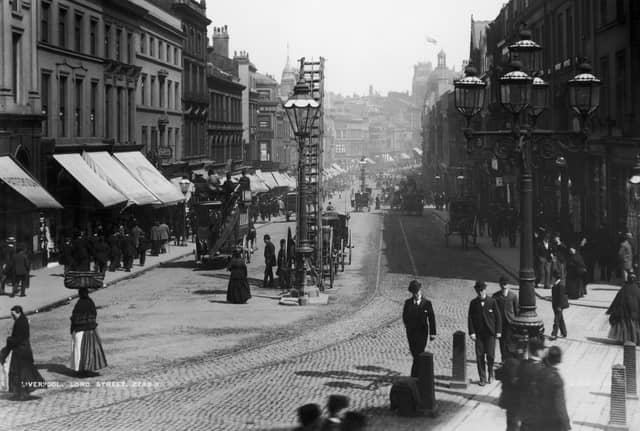


Liverpool was originally founded by King John in 1207 and consisted of just seven medieval streets. It is now one of the UK’s most iconic cities, with a rich and vibrant history and culture.
While six of those original streets still exist today, the city has become famous for many other roads and thoroughfares - from areas made world famous by the Beatles to popular shopping locations. However, many don’t hold their original names, which were scrapped many moons ago.
There’s an array of reasons why a street name changes, from logistical reasons, expansion of the city, the rise and fall of historic landowners and a host of other causes. There is the potential for further changes too, with a number of Liverpool’s street names linked to key figures in the slave trade.
A special bronze plaque was unveiled on William Brown Street in April 2022 explaining the history behind the name and its origins with slavery. It was one of ten streets named on a list submitted by Laurence Westgaph, a historian and founder of Liverpool Black History Research Group, under consideration for similar treatment, including Falkner Street, Bold Street, Parr Street and Colquitt Street.
But here, we take a journey to explore ten of Liverpool’s most iconic streets which no longer bear their original names and find out why (and when) there names were changed.
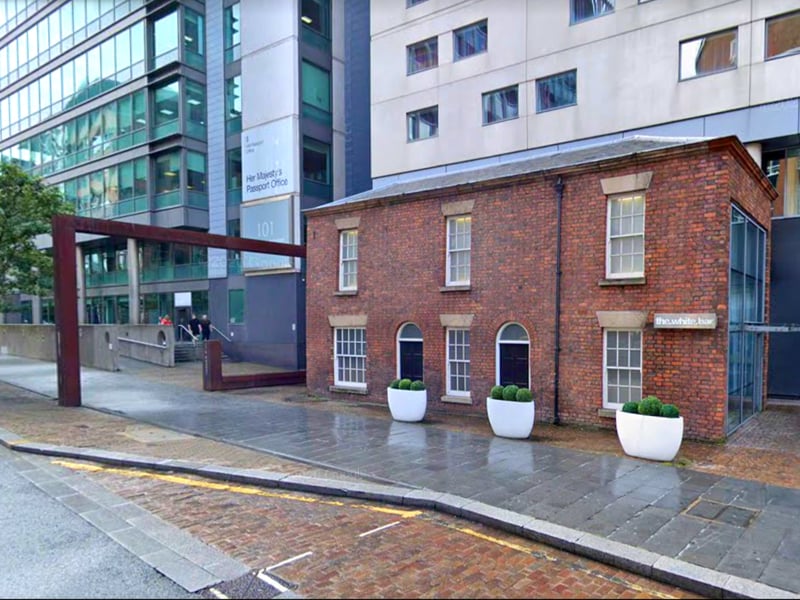
5. Whiteacre Street (now Old Hall Street)
Old Hall Street was one of the original seven streets that made up the medieval borough founded by King John in 1207, however, it was originally known as Whiteacre Street, Mylne Street and Peppard Street. The 'old hall' it is named after is believed to have been originally located on Mill Street. | Google Street View
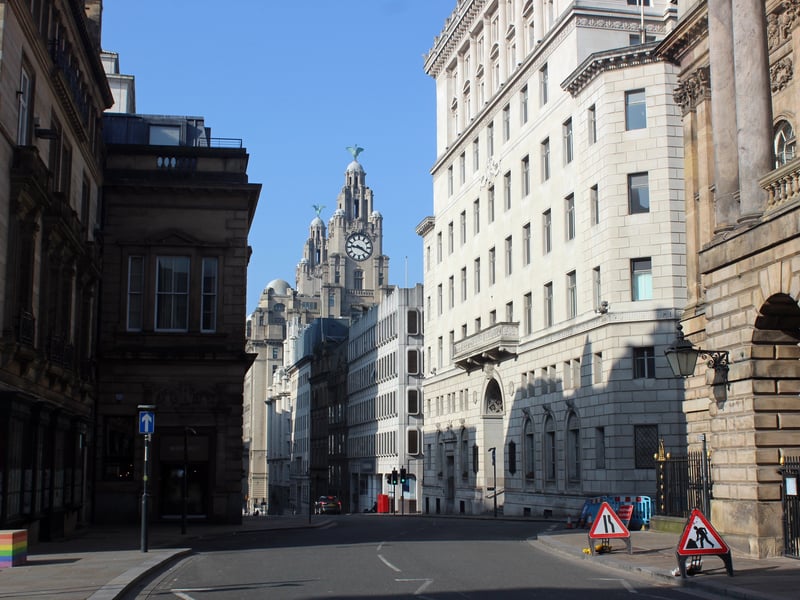
6. Bonke Street (now Water Street)
Water Street dates back to the founding of Liverpool in 1207 and was originally called Bonke Street - a dialect word meaning the bank of a river - before becoming Bank Street and then Water Street, in the 1520s. | calumsmith0308 - stock.adobe.com Photo: calumsmith0308 - stock.adobe.com
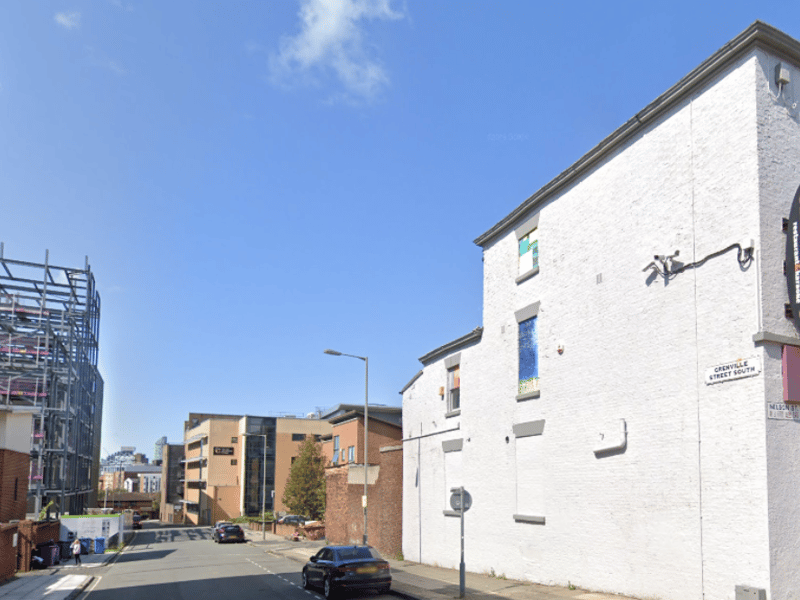
7. Leveson Street (now Grenville Street South)
Grenville Street South was known as Leveson Street until December 1850, when its name was changed following the horrific 'Leveson Massacre' - when a woman, her two children and her maid were murdered by their lodger. Located just outside of the city centre, the street was known by its original name for more than 150 years. | Google Street View
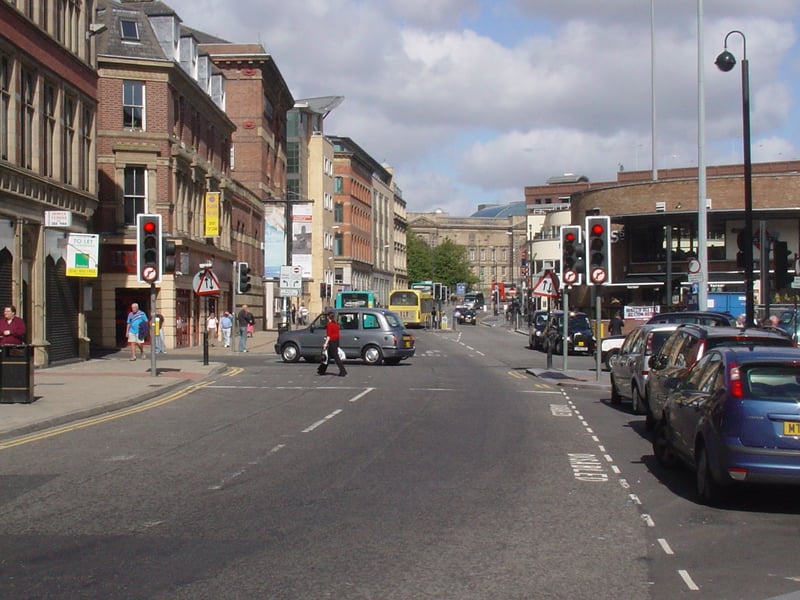
8. Frog Lane (now Whitechapel)
Whitechapel in Liverpool city centre is believed to have been originally known as Frog Lane, named after a colony of frogs who lived there. It later became known as Whitechapel, named so after a nearby chapel. | Rept0n1x, CC BY-SA 3.0 via Wikimedia Commons