
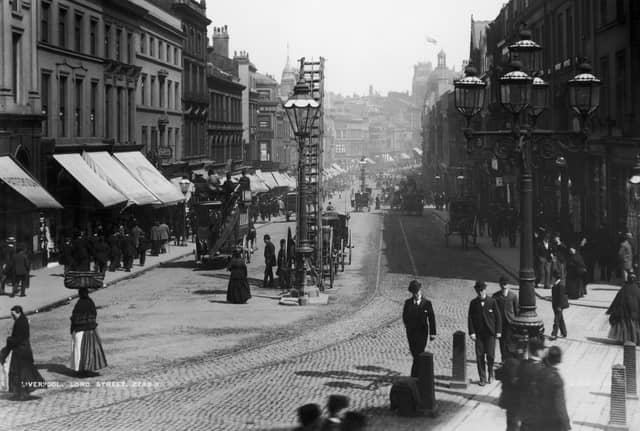


Liverpool was originally founded by King John in 1207 and consisted of just seven medieval streets. It is now one of the UK’s most iconic cities, with a rich and vibrant history and culture.
While six of those original streets still exist today, the city has become famous for many other roads and thoroughfares - from areas made world famous by the Beatles to popular shopping locations. However, many don’t hold their original names, which were scrapped many moons ago.
There’s an array of reasons why a street name changes, from logistical reasons, expansion of the city, the rise and fall of historic landowners and a host of other causes. There is the potential for further changes too, with a number of Liverpool’s street names linked to key figures in the slave trade.
A special bronze plaque was unveiled on William Brown Street in April 2022 explaining the history behind the name and its origins with slavery. It was one of ten streets named on a list submitted by Laurence Westgaph, a historian and founder of Liverpool Black History Research Group, under consideration for similar treatment, including Falkner Street, Bold Street, Parr Street and Colquitt Street.
But here, we take a journey to explore ten of Liverpool’s most iconic streets which no longer bear their original names and find out why (and when) there names were changed.
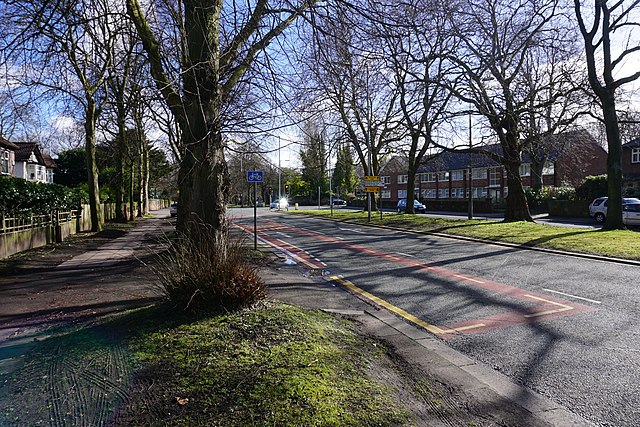
9. Folly Vale Lane (now Menlove Avenue and Vale Road)
Made famous by John Lennon, Menlove Avenue wasn't actually created until the 1920s, named after Thomas Menlove. Prior to then, the area was known as Folly Vale Lane, combining the streets now known as Menlove Avenue and Vale Road. | Bill Boaden/CC BY-SA 2.0/Wikimedia Commons
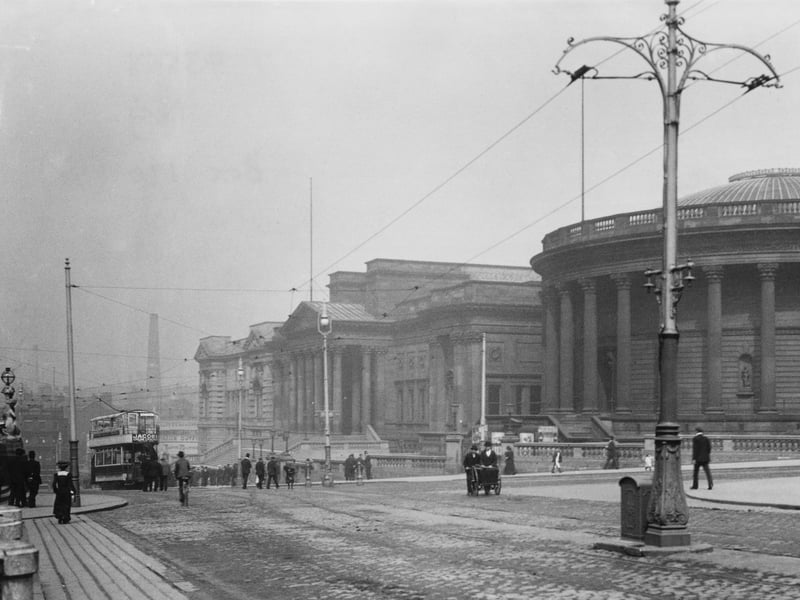
10. Shaw’s Brow (now William Brown Street)
Originally known as Shaw’s Brow. William Brown Street was later named after MP William Brown, who, in 1860, donated the land for the construction of the free public library and museum that stand on the site. Brown was also one of the premier importers of slave-produced cotton into Liverpool during the nineteenth century. | London Stereoscopic Company/Hulton Archive/Getty Images