
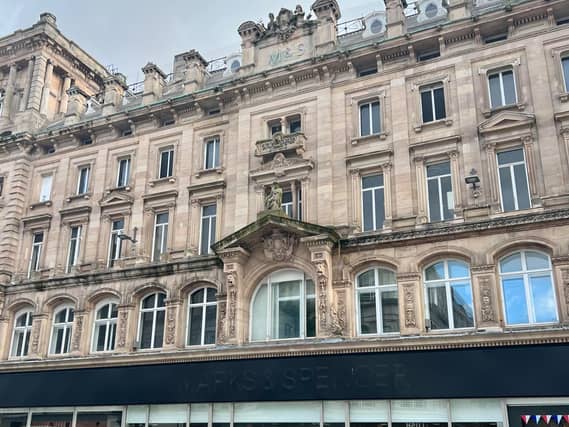


Liverpool boasts a rich history, with many fantastic buildings and historic landmarks representing the city for hundreds of years.
The incredible monuments help tell the story of how Liverpool has evolved over of the years and people travel from near and far to take in the city’s architectural wonders.
- Get the biggest stories from Merseyside in your inbox with Liverpool World’s free newsletter emails.
While Liverpool continues to change and grow, with Everton’s new stadium preparing for the new season, the Royal Albert Dock set for a revamp and the Tate art gallery undergoing a major redevelopment, these longstanding landmarks help the city to hold on to its identity.
We asked our readers to share their favourite Liverpool buildings and have put together a list of the top 29 landmarks mentioned. Take a look at the gallery below and let us know your favourites in the comments.
Have you got a story you want to share with our readers? You can now send it to us online via YourWorld at https://www.yourworld.net/submit/ It's free to use and, once checked, your story will appear on our website
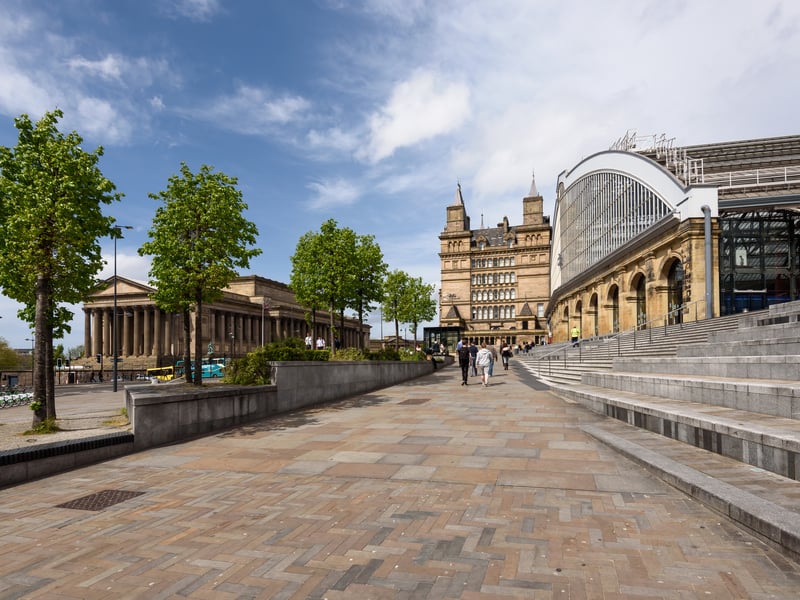
9. Liverpool Lime Street Train, Lime Street
Considered to be the oldest still-operating grand terminus mainline station in the world, it has served the people of Liverpool for almost two centuries. Designed by John Cunningham, Arthur Holme and John Foster Jr for Liverpool and Manchester Railway, the station proved so popular it become necessary to expand it within just six years of its opening. By 1849, now in the hands of London and North Western Railway, the first train shed with a larger one measuring 153ft, 6in and span in iron. At the time it was widest single span roof yet attempted. | SakhanPhotography - stock.adobe.com
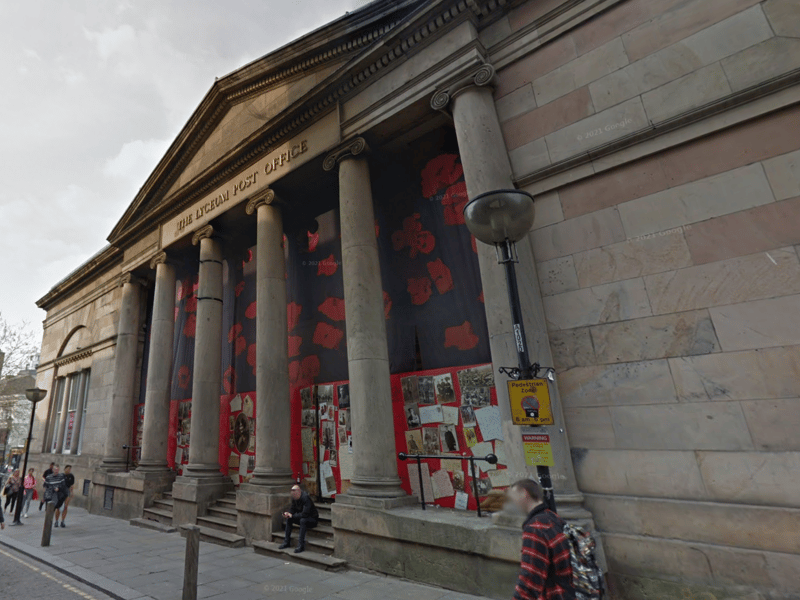
10. The Lyceum, Bold Street
The Grade II* Lyceum building on Bold Street was built in 1800 and originally operated as a newsroom and England's first subscription library. The library was housed in a circular room which was estimated to contain upwards of 10,000 volumes. It was then home to the Lyceum Gentlemen's Club until 1952 and later used as a post office. | Google Street View
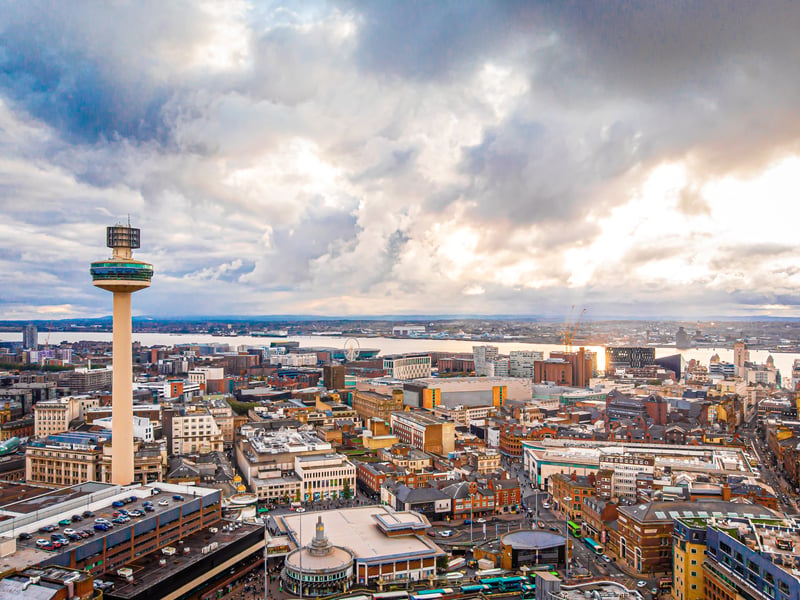
11. St John’s Beacon, Houghton Street
St Johns Beacon - or, if you're a local, the Radio City Tower - was once home to a radio station and a rotating restaurant. The construction of St Johns Beacon began in 1965; its main purpose was to provide a ventilation shaft for the shopping complex below, and upon completion, it was opened by Queen Elizabeth II. The restaurant closed in 1979 and then reopened in the early 1980s, at one point being styled as a space-age Buck Rogers-themed restaurant, before closing again. After becoming somewhat of an eyesore whilst lying derelict for so long, the tower was refurbished and reopened as a working radio station - Radio City 96.7 in 2000 and in 2010, the building's first floor was opened to the public as a viewing gallery. In 2024, Bauer Media announced that it would be vacating St Johns Beacon after 24 years, following a decision not to renew the lease, with the final shows broadcast from St. Johns Beacon aired on the December 24. It is undoubtedly one of Liverpool's most iconic landmarks and forms a key part of the city's famous skyline. | Alexey Fedorenko - stock.adobe.com
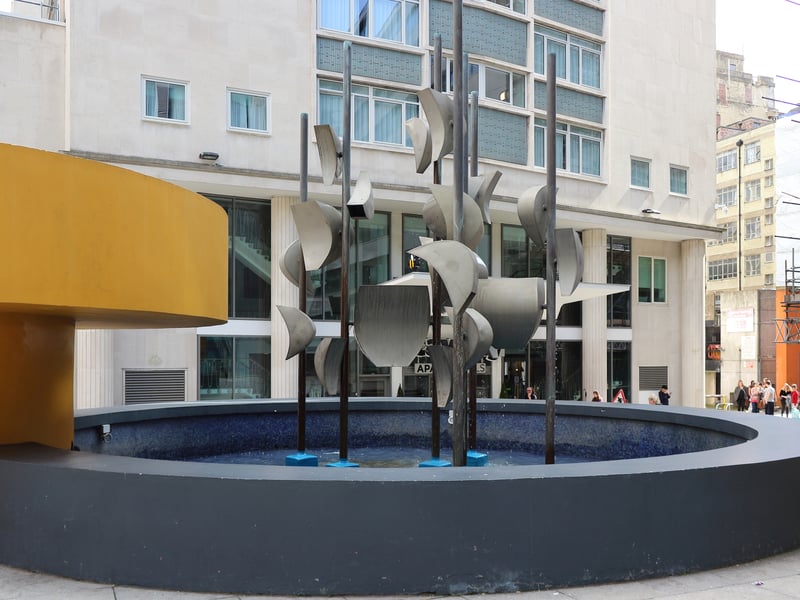
12. Piazza Fountain
Liverpool’s Piazza Fountain, known locally as the Bucket Fountain, is a kinetic water sculpture. It was made in the late 1960s by renowned Welsh fountain designer Richard Huws and is the only surviving example of his water sculptures. The fountain includes 20 hoppers, or buckets, of various sizes set at different heights which tip unexpectedly when filled. | Phil Nash from Wikimedia Commons CC BY-SA 4.0