
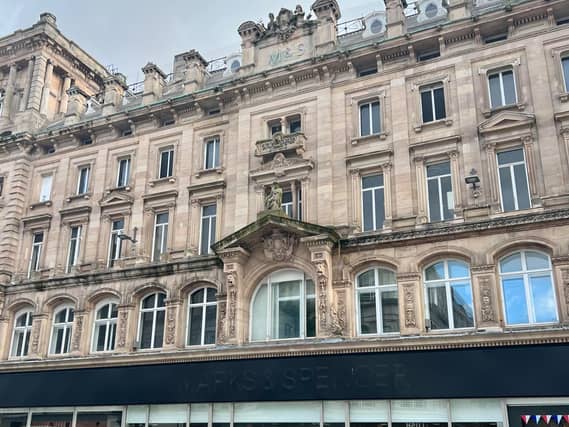


Liverpool boasts a rich history, with many fantastic buildings and historic landmarks representing the city for hundreds of years.
The incredible monuments help tell the story of how Liverpool has evolved over of the years and people travel from near and far to take in the city’s architectural wonders.
- Get the biggest stories from Merseyside in your inbox with Liverpool World’s free newsletter emails.
While Liverpool continues to change and grow, with Everton’s new stadium preparing for the new season, the Royal Albert Dock set for a revamp and the Tate art gallery undergoing a major redevelopment, these longstanding landmarks help the city to hold on to its identity.
We asked our readers to share their favourite Liverpool buildings and have put together a list of the top 29 landmarks mentioned. Take a look at the gallery below and let us know your favourites in the comments.
Have you got a story you want to share with our readers? You can now send it to us online via YourWorld at https://www.yourworld.net/submit/ It's free to use and, once checked, your story will appear on our website
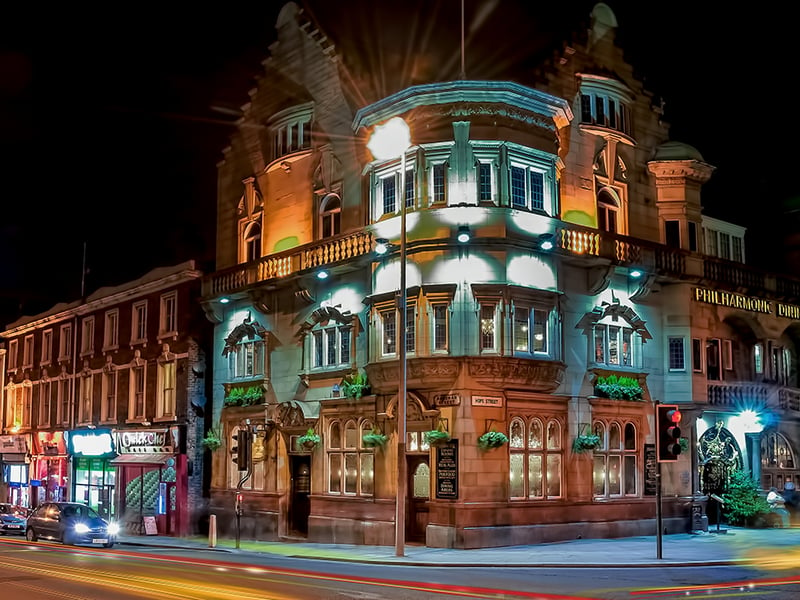
13. Philharmonic Dining Rooms, Hope Street
Built around 1898 for brewer Robert Cain, ‘The Phil’ was promoted to Grade I-listed in 2020 and is considered the ‘cathedral of pubs’. Famous for its spectacular toilets, the pub interior is covered in elaborate carvings and has a mosaic-clad bar. It’s a must see and a favourite with many locals. | Bob Edwards/Wikicommons
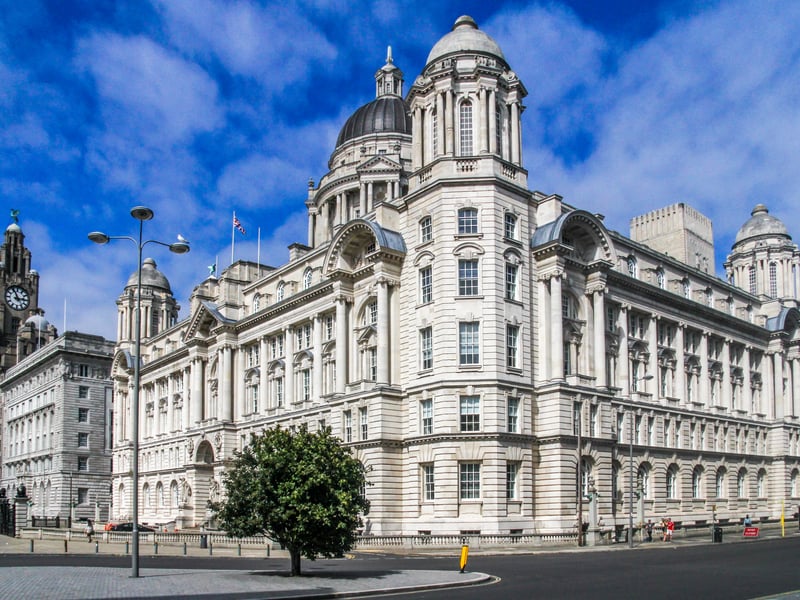
14. Port of Liverpool Building, Pier Head
Constructed between 1904 and 1907, The Port of Liverpool Building is Grade II* listed. Along with the neighbouring Royal Liver Building and Cunard Building, it is one of Liverpool's Three Graces, which line the city's waterfront. | Kevin Hellon/stock.adobe
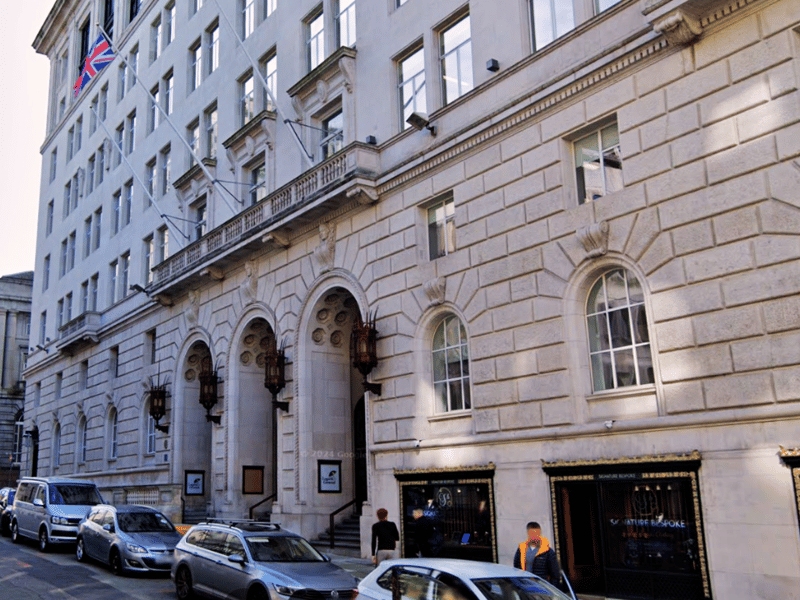
15. India Buildings, Water Street
The India Buildings occupies an entire block in the city and includes an internal shopping arcade and the entrance to an underground station. Design by Arnold Thornely and Herbert J. Rowse in the Italian Renaissance and Beaux-Arts style, it was built between 1924 and 1932. | Google Street View
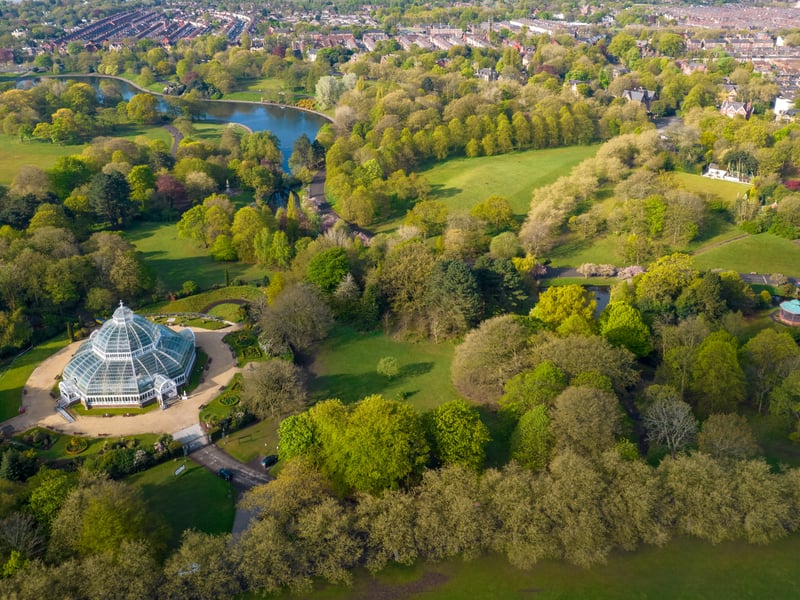
16. The Palm House, Sefton Park
The beautiful Grade II listed Victorian palm house in Sefton Park has become a Liverpool landmark but it was close to demolition on numerous occasions following attempted sabotage by Suffragettes, the World War II blitz of Liverpool and years of neglect. It was only saved from ruin after a fierce public campaign and a multi-million-pound restoration in 2001. | Paul - stock.adobe.com