
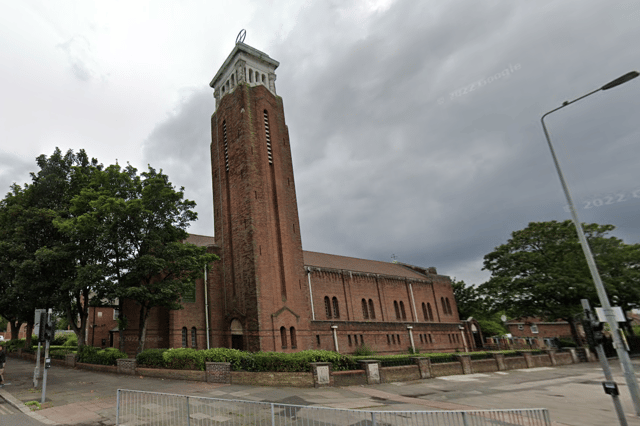


16 sites have been placed on the ‘at risk’ register, from landmark churches and gardens to a former country house. Historic England said its ‘at risk’ programme highlights the places which are at most in need of action being taken.
“Assessing sites for Heritage at Risk (HAR) helps us understand the overall state of England's historic sites,” Historic England said. “The process identifies sites that are most at risk of being lost as a result of neglect, decay or inappropriate development.”
- Get the biggest stories from Merseyside in your inbox with Liverpool World’s free newsletter emails.
Listed status is given to buildings of ‘special architectural or historic interest’, providing them with legal protection against being altered or knocked down without explicit consent. Buildings can be listed under three grades - Grade II, II* or I - with Grade I being the highest, covering structures of ‘exceptional interest’.
Grade II* buildings are particularly important buildings of ‘more than special interest’ and Grade II buildings are of ‘special interest’. Around 91.7% of all listed buildings are in the latter class and it is the most likely grade of listing for a home owner.
Below are all the historic Liverpool buildings at risk of being lost forever, along with Historic England’s description of the buildings and the repairs needed.
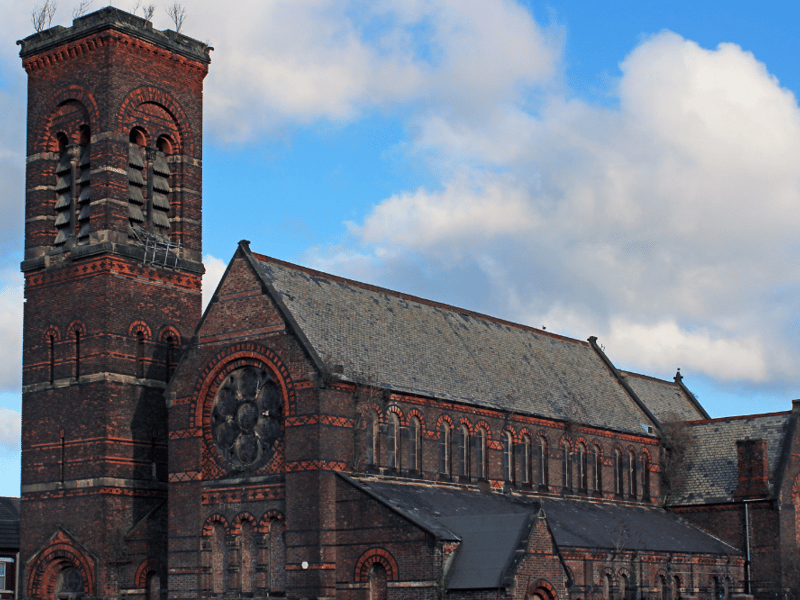
9. Christ Church, Kensington
Christ Church in Kensington was added to Historic England's 'At Risk' register in 2022 and has Grade II listed status. It was built in 1870 and is described as at 'immediate risk'. With its dark red brick with bands of blue and orange brick and stone, its north west tower is a particular landmark. The ornate exterior and the granite columns and polychrome brickwork of the interior are now suffering from multiple issues including failure of the roof covering, deteriorating masonry, rainwater goods, and glazing. Water ingress is causing failure of the internal finishes and efforts are ongoing to fund repairs. | Rodhullandemu, CC BY-SA 4.0 via Wikimedia Commons
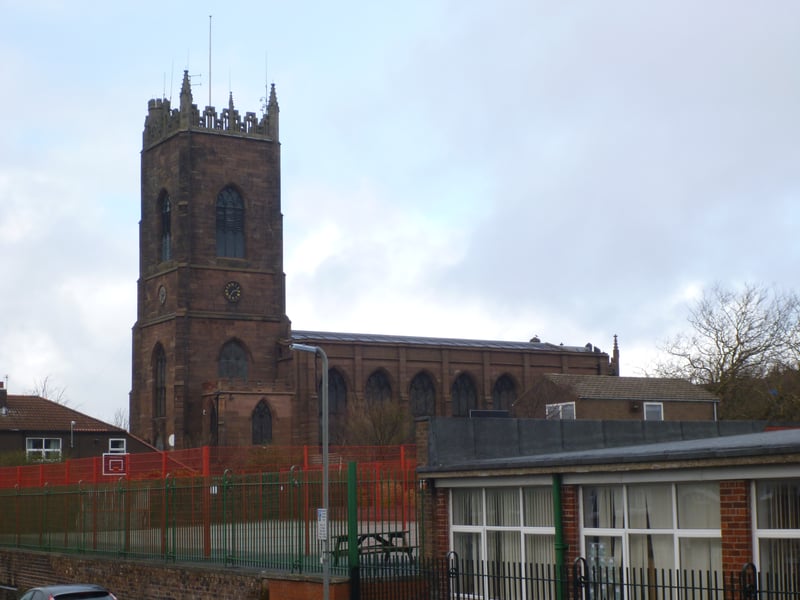
10. Church of St George, Everton
The Church of St George, Heyworth Street, was created in 1814 by Thomas Rickman and John Cragg. Nave and aisles under same roof. West tower, short chancel, and galleries to aisles. Iron frame, sandstone walls and patent slate roof. Work to re-slate the nave roof, re-line the gutters and repair the roofs of the east end and porches has been undertaken, with grant-aid from the National Lottery Heritage Fund. Further repairs are required to the cast iron work of the windows. The church is Grade I listed. | PeterMarchantNWBuildings10, CC BY-SA 4.0
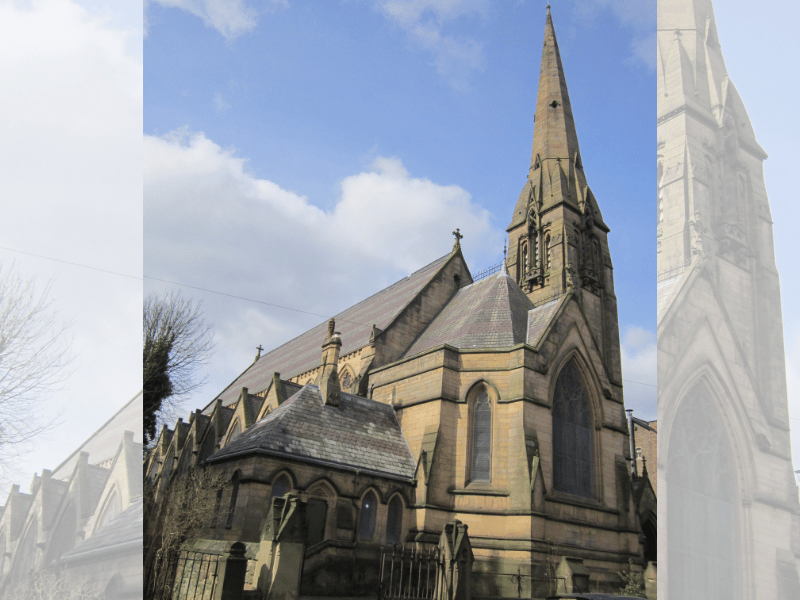
11. Christ Church, Toxteth Park
Christ Church, Linnet Lane, is a Grade II listed church of 1870-1 by Culshaw and Sumners in sandstone and slate. Six bay nave with aisles under cross gables. North tower with broached spire and hipped south vestry. Failure of the rainwater disposal system had allowed dry rot to become established in the roof timbers of the aisle and vestry. The National Lottery Heritage Fund has supported the repair of the north and south aisle roofs. However, failure of the rainwater systems to the porches remains an issue. | Rept0n1x, CC BY-SA 3.0/Canva
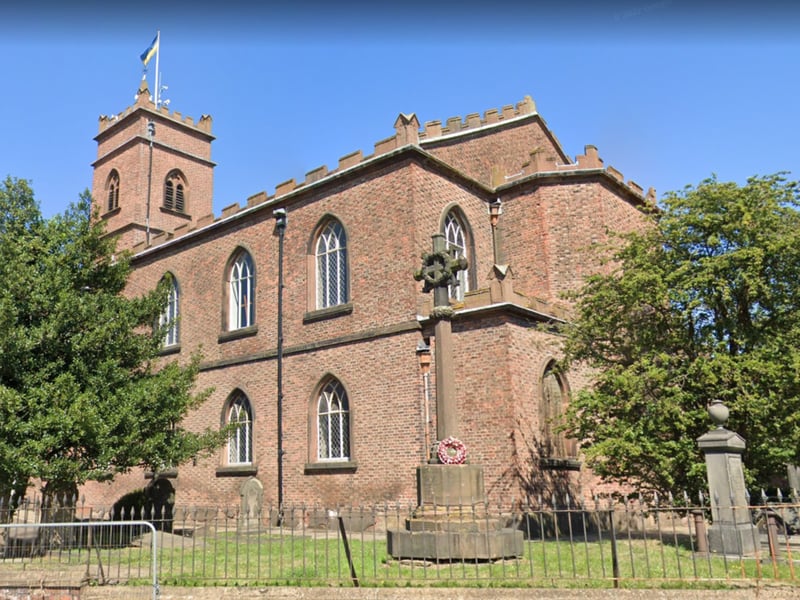
12. All Saints Church, Edge Hill
All Saints Church, Irvine Street, was built in 1812-13, with balconies to three sides. Contains two William Morris windows of 1870s. Suffers from a persistent dry rot problem in floors and balconies, and cementitious pointing is preventing masonry from drying out. The National Lottery Heritage Fund has offered grant aid under the Grants for Places of Worship scheme. | Google Street View