
Closed Liverpool museums receive £10m funding for major redevelopment project

The International Slavery Museum and Maritime Museum in Liverpool have secured a £10 million grant from the government, ensuring their redevelopment under the Waterfront Transformation Project.
Two Liverpool museums have secured a £10 million grant from the government.
Liverpool’s International Slavery Museum and Maritime Museum closed for a period of essential repair and maintenance works on January 5, ahead of a major redevelopment project, subject to funding.
Funding was provisionally announced by the previous government at the 2024 Spring Budget however during the latest Autumn Budget, the new Labour government announced it was minded to withdraw funding due to financial pressures.
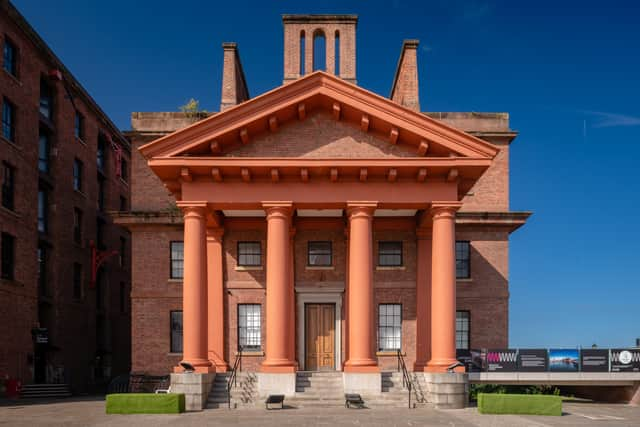

Following a consultation process, the government has now granted £10 million for the International Slavery Museum and the Maritime Museum, to “expand and maintain” the sites.
A striking iron and glass bridge will connect the re-imagined International Slavery Museum galleries in the Hartley Pavilion to the annexed MLK Jr Building, which was formerly home to Granada Television, and offer spectacular views both into and out of the Royal Albert Dock.
- Get the biggest stories from Merseyside in your inbox with Liverpool World’s free newsletter emails.
The scheme is part of the wider £58m Waterfront Transformation Project - spanning the area between the Royal Albert Dock and Mann Island - which aims to be ‘a catalyst for social and environmental improvements in the area’. The International Slavery Museum and Maritime Museum are due to reopen in 2028.

Six major culture projects across England will receive over £47 million, including £5 million for the National Poetry Centre in Leeds and £15 million for the National Railway Museum in York.
Speaking about the investments, Deputy Prime Minister Angela Rayner said: “Every corner of the UK has something unique to offer, and our rich creative capital must not be underestimated.
“Our Plan for Change promises growth for every region and I’ve seen first-hand how these projects are igniting growth in their communities.
“Through investing in these critical cultural projects we can empower both local leaders and people to really tap into their potential and celebrate everything their home town has to offer. This means more tourism, more growth and more money in people’s pockets.”