
St Helens drama teachers share advice for parents of children with SEN
Finding an after-school club your child enjoys should be exciting. But when your child has special educational needs (SEN), signing them up for something new can come with a few extra worries.
Will they cope with the noise? What if they struggle to make friends? And what happens if they spend the whole session watching from the sidelines?

For some families, those questions can make trying something new feel like a big step. Yet a child who struggles in one setting might flourish in another, especially when the people running it understand that every child has their own way of doing things.
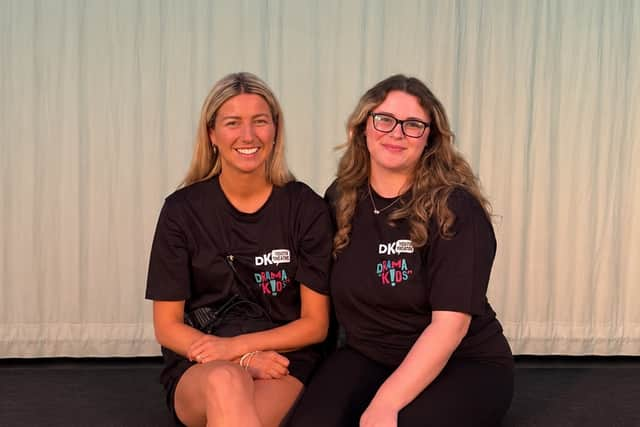
At Drama Kids St Helens, Principal Andréa Wright and teacher Lucie Hulme, who also works in a specialist SEN school, support children with additional needs including autism, ADHD, dyslexia, speech delays and selective mutism.
Here, they share five things parents can look for when choosing an extracurricular activity, along with ways to make those first steps feel a little easier.
Don’t mistake watching for not wanting to join in
Some children will walk into a new club and get stuck in before they’ve even taken their coat off. Others prefer to hang back, get a feel for the room and see what everyone else is doing.
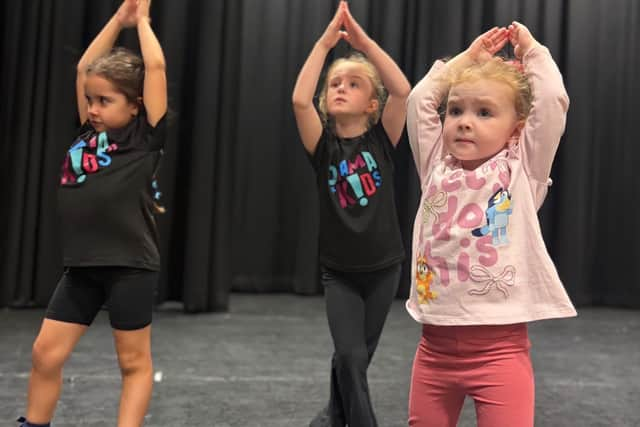
But watching can be a perfectly valid way of participating. A child who finds the noise or unfamiliar faces overwhelming might be happier starting with a prop, copying a movement or joining an activity alongside an adult.
Rather than focusing on how quickly they join in, look for teachers who notice these quieter forms of involvement. Afterwards, ask your child what caught their attention or what they might fancy trying next week.
Make the unfamiliar feel familiar
Sometimes, the activity isn’t what worries a child. It’s all the little things surrounding it. Where do I go? Who will be there? What happens if I need help?
Ask what a typical session looks like and whether your child could meet their teacher beforehand. Even knowing how the class starts and finishes can make the afternoon feel less daunting.
At Drama Kids St Helens, classes follow a clear structure with familiar activities helping children know what to expect. New children are also paired with buddies and checked on as they settle in, so there’s someone to turn to if they feel unsure.
Find different ways to communicate
Not every child feels comfortable speaking in front of a group. Fortunately, there are plenty of ways to join the fun without having to find the right words.
Movement, sound effects and group speaking can help take the pressure off. Children might join in with everyone else before feeling ready to try something on their own, while playing a character can make expressing themselves feel less daunting.
At home, try turning their favourite interests into a game. If they love Pokémon, why not pretend to be their favourite character? Andréa often uses familiar characters, including Pikachu, in improvisation activities to help children relax and get involved.
Don’t be afraid to ask for adjustments
Nobody wants to feel like the parent asking a hundred questions. But a quick conversation beforehand can make a real difference.
Ask how staff support children who need extra time to process instructions, struggle with reading or find certain situations overwhelming. Showing a child what to do, breaking an activity into smaller steps or offering a little extra reassurance can help them feel included.
At Drama Kids St Helens, children with dyslexia can receive coloured overlays and additional script support. The team has also arranged safeguarding checks and training so a parent could remain in class with a child who needed extra reassurance.
Celebrate the little victories
Of course, we’d all like to see our children make friends, grow in confidence and discover something they’re brilliant at. But sometimes the moments that matter most are the ones nobody else would notice.
It might be staying for a whole session, joining a group activity or feeling comfortable enough to ask for help.
Andréa remembers supporting a girl with selective mutism who, over time, developed the confidence to perform on stage.
“Seeing her get up on stage was such a special moment, especially knowing how difficult she had previously found speaking in groups,” explained Andréa. “Her mum later told us how much it meant to see her daughter doing something she might once have found overwhelming. But progress looks different for every child. For some, simply walking through the door on their own or joining in with a group activity can be just as big an achievement.”
And that’s what matters. Children shouldn’t have to change who they are to enjoy the same opportunities as their peers, and success doesn’t have to look the same for everyone. Sometimes, all it takes is a little flexibility, a bit of patience and someone willing to recognise that every child deserves the chance to take part in their own way.
To find out more about Drama Kids St Helens, visit www.dramakids.co.uk/sthelens