
'Decaying' historic Liverpool house placed on top ten most endangered buildings list

Sandfield Tower, a once-magnificent Liverpool landmark, has been listed among the UK’s most endangered buildings.
A “decaying” Liverpool building has been named among the top ten most endangered structures in the country.
Described by The Victorian Society as “dignified but decaying”, Sandfield Tower was once a magnificent landmark but has remained vacant for four decades and succumbed to vandalism and adverse weather conditions.
Each day, thousands travelling along Queens Drive catch a fleeting glimpse of the Grade II listed structure but Jonathon Wild, a passionate local historian and buildings campaigner, chose to act.
For 25 years, he has campaigned to save the building - and other treasured sites - by lobbying politicians and documenting its plight on his website dedicated to Liverpool’s endangered local heritage.
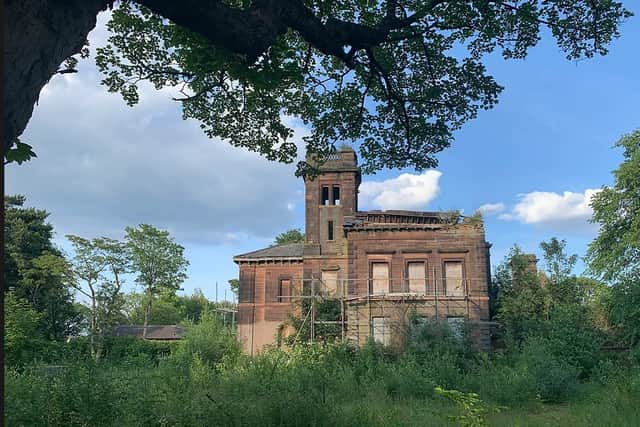

Built in 1854 for Joseph Edwards, a wealthy South American merchant, the villa – known as Sandfield Park, The Tower, Gwalia, and Sandfield Tower – was a proud addition to West Derby’s grand suburban landscape.
After Edwards’s death in 1878, the house passed through a series of owners before the Fourth Church of Christ, Scientist, converted it into a place of worship in 1931. When the church moved out in the 1980s, Sandfield Tower fell silent and has remained vacant ever since.
Jonathan’s campaigning drew the council’s attention to the building’s worsening condition. But, despite securing the site and issuing repeated essential repair notices to the owner, no works were ever carried out.
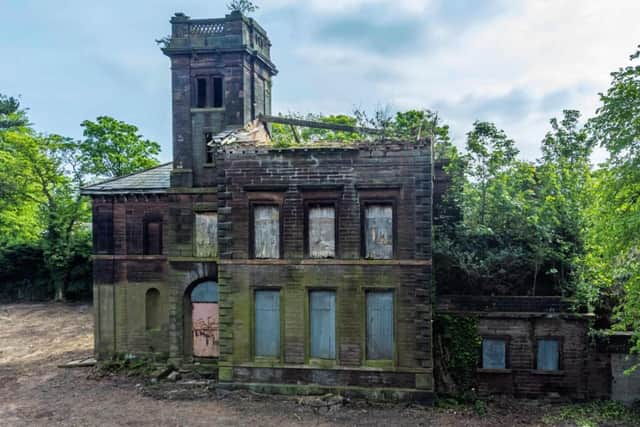
In 2020, the council prepared to issue a compulsory purchase order but, the same day, a spending freeze halted all progress. The Victorian Society said the consequences of the building’s abandonment have been “devastating” with the roof giving in and collapsing the internal structure.
James Hughes, Director of the Victorian Society, said: “Heritage abandoned is history lost. Liverpool must rescue Sandfield Tower before it vanishes forever.”
Liverpool City Council has been approached for a comment.