
New punishments for criminals who refuse to attend sentencing hearings

Criminals who fail to attend their sentencing hearings face additional prison time and fewer privileges.
New powers for judges to punish criminals who refuse to attend their sentencing hearings send a clear message that offenders cannot opt out of justice, victims' families have said.
Plans for tougher sanctions in England and Wales, including more jail time or loss of privileges in prison, are among the measures in the Government's Victims and Courts Bill being introduced to Parliament.
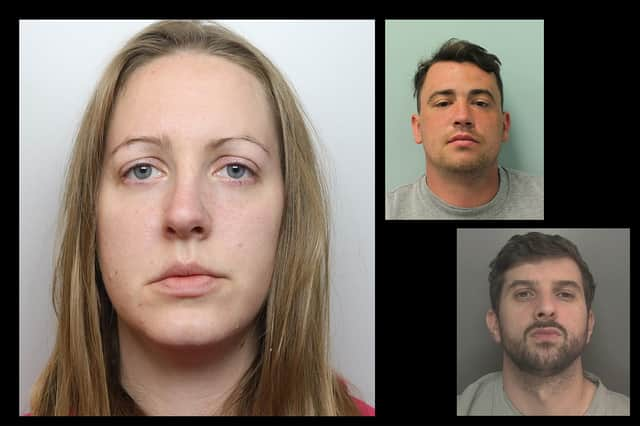
The move comes after a series of high-profile offenders refusing to face victims' families sparked a public outcry and calls by campaigners for a change in the law.
Prime Minister Sir Keir Starmer promised to carry on the pledge to change the law, first made by his predecessor Rishi Sunak, when he met the mother of murdered nine-year-old Olivia Pratt-Korbel.

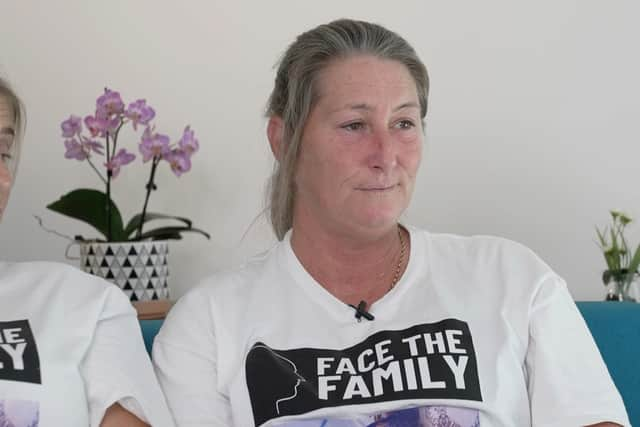
Cheryl Korbel and her family have campaigned to change the law, so that offenders are compelled to appear in the dock for sentencing. Thomas Cashman, the gunman who killed Olivia, did not appear in court to hear his life sentence in April 2023.
Ms Korbel’s MP, Anneliese Midgley, said of the legislation: “Sentencing is not just a legal formality, it's a culmination of justice. That's why it's so important that justice is not only done, but seen to be done. Olivia's law will make sure it is.”
Under the new legislation, judges will be given the power to sentence offenders for up to two more years in prison for avoiding justice. For those who already face lengthy imprisonment or whole-life orders, judges could also impose a range of prison punishments on offenders such as confinement to their cells and being stripped of privileges, such as extra gym time.
The measures could apply to any case in the Crown Court and include those such as Southport killer Axel Rudakubana who attended proceedings, but was removed from the courtroom for disruptive behaviour.