
Incredible photos of Northern Lights over Liverpool and Merseyside - how to see Aurora Borealis tonight

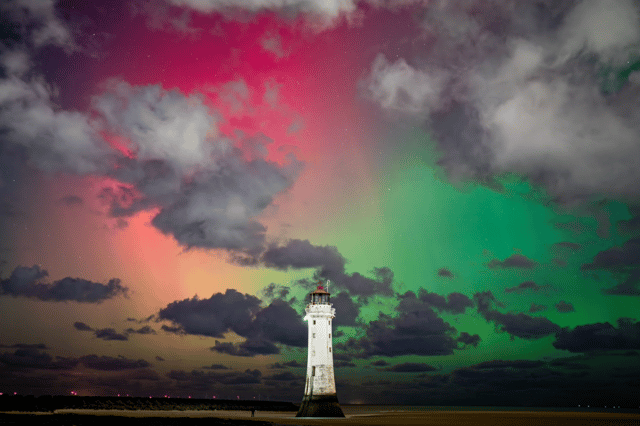
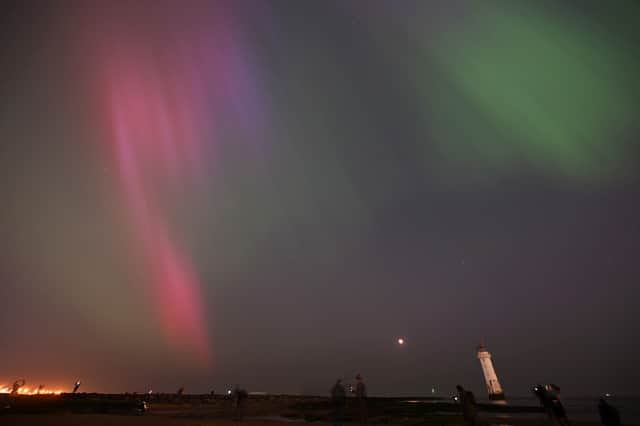
Merseyside was lit up by the magical Northern Lights - or Aurora Borealis - on Thursday night as local residents captured the beautiful phenomenon.
The Northern Lights are caused by charged particles from the sun hitting gases in the Earth’s atmosphere and occur when the solar wind carrying the particles interacts with the Earth’s magnetic field. The best place to see the Aurora Borealis is usually around the North Pole region, however, they can sometimes be seen from the UK.
On Thursday, huge swathes of the country - including Merseyside - saw the incredible phenomenon due to an extreme geomagnetic storm rated a ‘G5’ - which is the highest on the 1-5 scale. According to weather experts, it was the highest geomagnetic recording in the UK since May.
The solar activity is expected to be weaker on Friday night, but it might still be possible to see the Aurora Borealis in northern regions of the UK. The Met Office forecast patchy cloud in the skies above Merseyside, so there should be a chance to spot the Northern Lights if they return tonight.
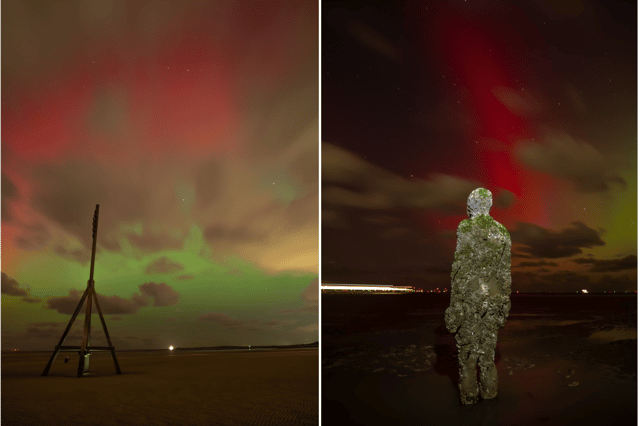

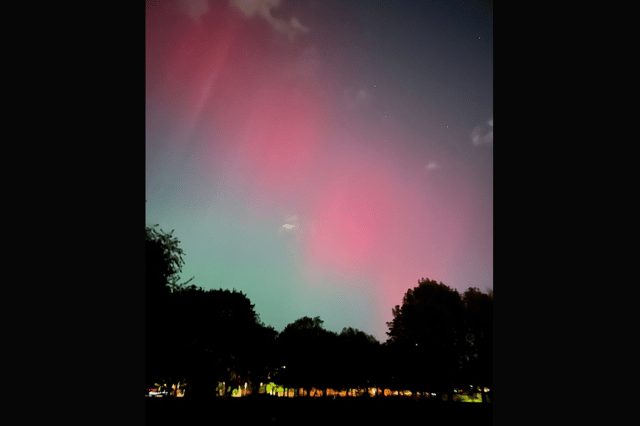
The shimmering lights were spotted above Merseyside from around 8pm on Thursday and were still being snapped into the early hours. The region enjoyed a particularly spectacular display with the aurora visible all along the coast and also over the city.
One photographer, Richard Bentall, captured the Northern Lights over Sefton Park and said it was "an unexpected tick on my bucket list". Many other people, from Hightown to Otterspool, posted their striking images on social media.

What is the Aurora Borealis?
Aurora is caused by atoms and molecules in our atmosphere colliding with particles from the sun, according to Royal Museums Greenwich. The wavy patterns of light are caused by the lines of force in the Earth’s magnetic field, and the different colours are made by different gasses. The green is characteristic of oxygen, while the purple, blue or pink are caused by nitrogen.
The further north you are, the more likely you are to see the display. If you’re on X, @aurorawatchuk is worth a look - the account is run by space physicists at Lancaster University who will tweet when the Aurora may be visible from the UK.
Wherever you are, the conditions need to be right - dark and clear, with as little light pollution as possible.
Join the conversation and follow LiverpoolWorld on Facebook, X (twitter), Instagram, TikTok and email us at [email protected].